The best water shoes for beach and river activities balance grip, drainage, comfort, and protection based on where you are going and what you are doing.
The wrong footwear can ruin a great day on the water. Slippery rocks, hot sand, sharp shells, muddy launches, and long walks to the shoreline all create problems that flip-flops cannot always solve.
You do not need one perfect shoe for everything, but you do need the right match for the environment.
Water Shoes for Rocky Areas
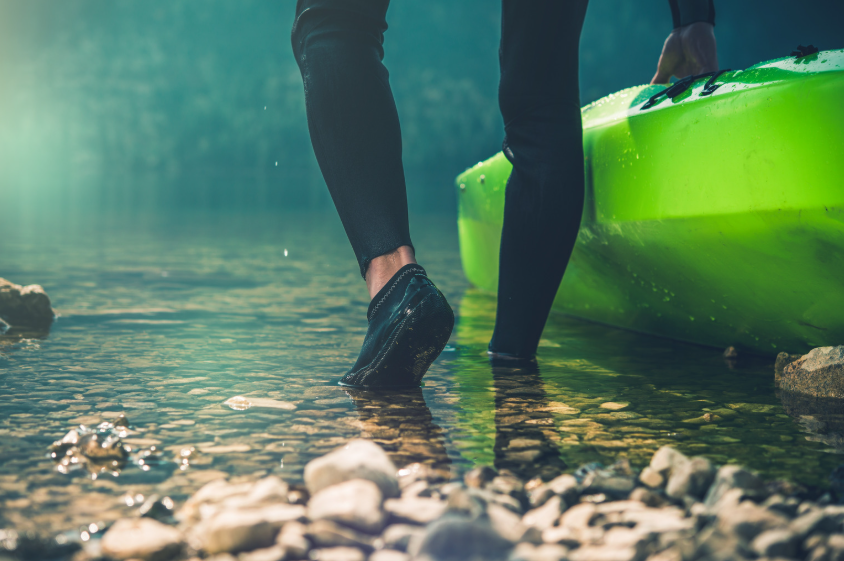
Classic water shoes are ideal for rocky shorelines, river entries, and places with sharp shells or uneven footing.
They usually offer quick-drying materials, flexible soles, and enough grip for wet surfaces. Their biggest strength is protection while staying light.
If you regularly explore creeks, tide pools, or lake edges, this category often gives the best value.
Read Hidden Swimming Holes Worth the Hike for more water spots destinations.
Sandals for Easy Beach Days
For simple beach trips with short walks and soft sand, supportive sandals can be the smartest choice.
They are breathable, easy to remove, and more comfortable than closed shoes in hot weather. Models with heel straps stay on better than loose slides.
Choose versions with real traction rather than purely fashion-focused soles.
Explore What to Pack for a Perfect Beach Day for simple shoreline planning tips.
Trail-Water Hybrids
Some adventures include both hiking and water. Think waterfalls, canyon routes, riverside trails, or long approaches to swim spots.
Hybrid shoes with stronger soles and better support handle mixed terrain better than basic water shoes.
They may feel heavier, but the tradeoff can be worth it for all-day outings.
Boat and Dock Footwear
Wet decks and docks reward non-marking grip and stable footing. Slip-resistant boat shoes or marine-focused sandals are built for this environment.
The goal here is less about submersion and more about traction on smooth wet surfaces.
If you spend time fishing or boating, this category makes sense.
See Waterfalls You Can Actually Swim Under for trips where shoe grip matters.
Cold Water Options
In colder environments, thin neoprene boots or thermal water footwear can significantly improve comfort.
Warmth matters because numb feet reduce enjoyment and sometimes balance.
Cold-water gear is more specialized, but invaluable when conditions demand it.
What to Look For
Grip is usually the top priority. Wet rock and algae-covered surfaces quickly expose bad soles.
Drainage matters too. Shoes that stay waterlogged become heavy and uncomfortable.
Finally, consider fit. Loose footwear causes blisters and instability, while overly tight shoes become miserable fast.
Common Buying Mistakes
Many people buy for looks instead of use case. Stylish sandals may fail on slick rocks, while heavy hiking shoes may be unnecessary for soft sand.
Another mistake is ignoring the comfort of walking distance. The beach may be close to the car, or it may not.
Think about the whole day, not only the first five minutes.
Compare the Best Water Sports for Beginners before choosing footwear.
One Pair or Multiple Pairs?
If you mostly do one type of outing, buy specifically for that. If you take varied trips, two affordable specialized pairs often outperform a single compromise pair.
For example, sandals for beach days and water shoes for rocky adventures cover many situations well.
Matching tools to tasks usually wins.
The best shoes for water activities are the ones that let you stop thinking about your feet. Good grip, smart comfort, and the right design can quietly improve every step of the day.