Deep water swimming confidence is trainable. It grows through gradual exposure, better skills, and learning how to calm the mind while trusting the body.
Deep water can trigger anxiety even in people who swim well in shallow areas. The change is often psychological as much as physical. You cannot stand, the bottom may be invisible, and ordinary sensations can suddenly feel bigger. You do not need to force fear away. You need to outgrow it step by step.
Understand What Feels Scary
For many people, the fear is not “depth” itself. It is what depth represents: loss of control, uncertainty, or worry about fatigue.
Naming the real fear helps you train the right solution. If you fear sinking, floating practice helps. If you fear panic, breathing control matters.
Clarity reduces vague dread.
See Why You Float Better in Salt Water for more floating-related science.
Master Floating First
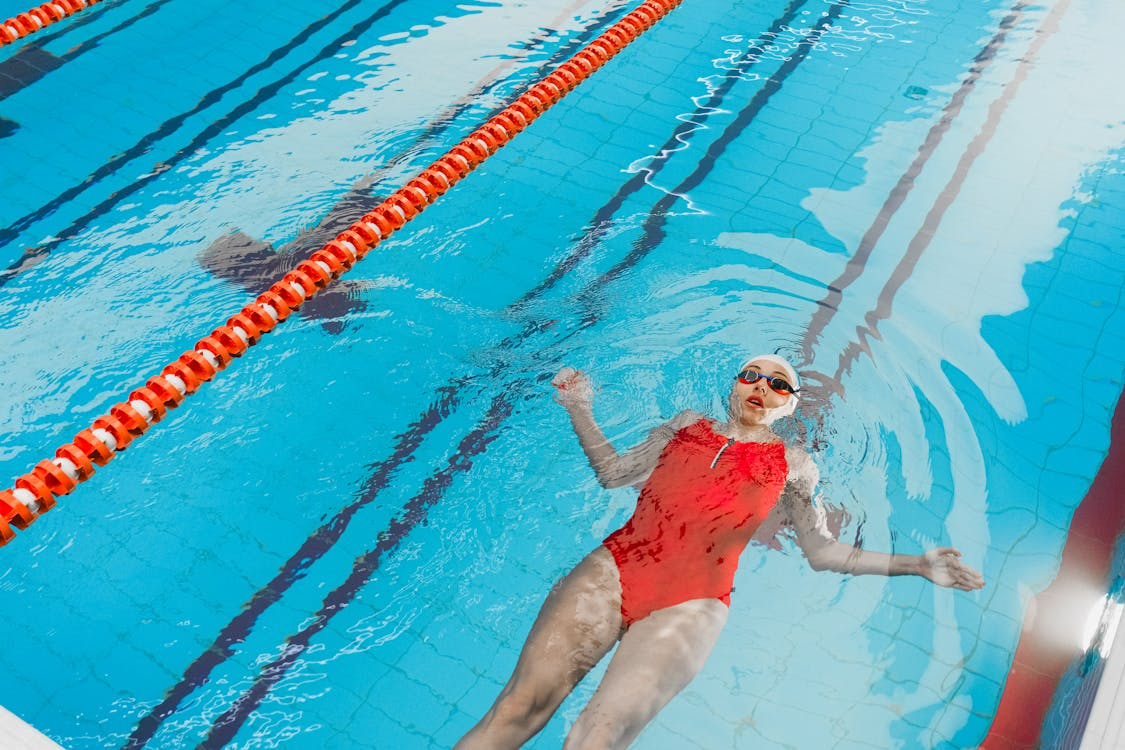
Nothing builds trust faster than discovering your body can be supported by water. Practice back-floating and gentle treadling in comfortable conditions.
Use shallow water or supervised environments first, then gradually move deeper while repeating the same skills.
Confidence often begins when you stop seeing water as something you must fight.
Progress in Small Steps
Do not jump from the pool steps to the middle of a lake mentally or physically.
Move slightly deeper than your comfort zone, settle there, then repeat another day. Swim to a rope line, then farther later. Pause often.
The nervous system learns through successful repetitions, not shock therapy.
Control the Breath
Fear and breathing affect each other instantly. Anxiety shortens the breath, and shallow breathing increases anxiety.
Practice slow exhalation in the water, calm inhales, and brief pauses to reset. Even a few controlled breaths can quickly lower panic.
Breath control is portable confidence.
Read The Truth About Drinking Ocean Water for another practical lesson.
Build Real Swimming Capacity
Sometimes fear decreases when skill increases. Better endurance, smoother strokes, and reliable treading make deep water feel less threatening.
Take lessons if needed. Adults often improve faster with coaching than with years of trial and error.
Competence is one of the best antidotes to fear.
Learn How to Train Yourself to Swim Longer Distances for practical endurance tips.
Use Safe Environments
Train in places supervised by lifeguards, lane lines, flotation nearby, or trusted partners. Supportive settings help your brain learn that deep water is not inherently dangerous.
As confidence grows, you can gradually branch into more open environments.
There is no prize for making training harder than necessary.
Explore How to Stay Safe While Swimming Alone before practicing without support.
Stop Chasing Perfect Calm
You may still feel nervous sometimes. Confidence is not the absence of sensation; it is the ability to function despite it.
A little adrenaline does not mean failure. It often fades once you begin moving and breathing steadily.
Expecting zero nerves can create more pressure than the water itself.
Celebrate Small Wins
Stayed relaxed for thirty seconds? Floated farther out? Recovered quickly after a worry spike? Those count.
Confidence grows from evidence and understanding water safety. Notice progress instead of only measuring the final goal.
Small wins compound into identity change.
Building confidence in deep water comes down to patience, skill, and repetition. The goal is not to become fearless overnight. It is to become familiar enough that depth no longer feels like a threat and starts to feel like space.