
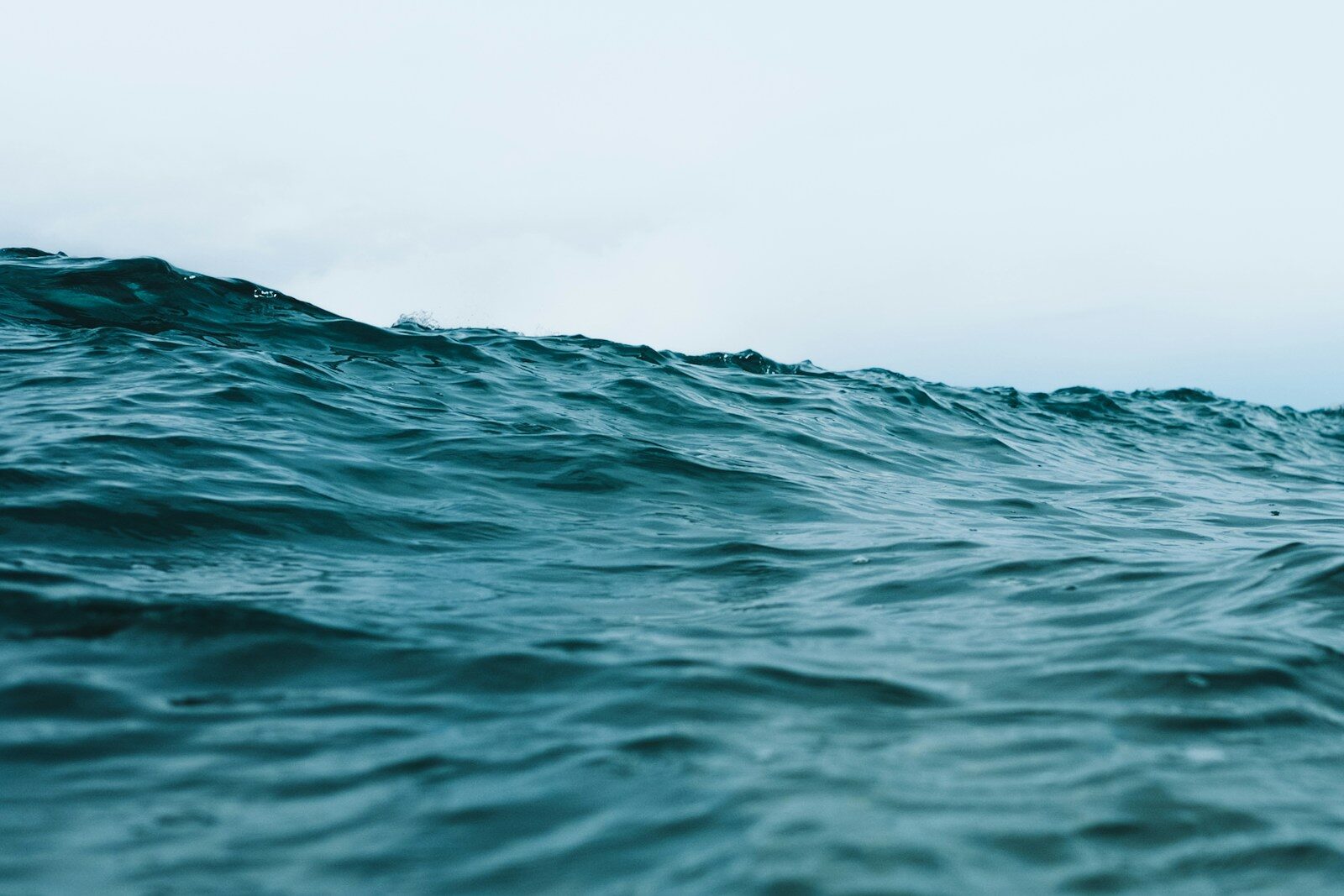
Water covers more than 70 percent of Earth’s surface, shaping landscapes, influencing weather patterns, supporting ecosystems, and sustaining human civilization. Yet despite its abundance, water exists in an astonishing variety of forms and environments. Vast oceans stretch across continents, rivers carve valleys through mountains, wetlands teem with wildlife, and lakes provide freshwater resources for millions of people.
Each type of body of water plays a unique role in the health of the planet. Together, they form an interconnected system that regulates climate, supports biodiversity, and provides food, transportation, recreation, and economic opportunity. Understanding these environments offers a deeper appreciation for the remarkable ways water shapes the world around us.
How Water Shapes the Planet
Water is one of the most powerful geological forces on Earth. Over millions of years, it has carved canyons, formed valleys, transported sediment, and reshaped coastlines. Even today, water continues to alter landscapes through erosion, weathering, and deposition.
Rivers gradually cut through rock, creating dramatic features such as gorges and canyons. Glaciers, which are essentially massive bodies of frozen water, have sculpted mountain ranges and created many of the lakes found throughout northern regions of the world. Along coastlines, waves constantly reshape beaches and cliffs, sometimes dramatically changing shorelines over relatively short periods of time.
Water also plays a critical role in regulating Earth’s climate. Oceans absorb and store enormous amounts of heat from the sun, releasing that energy gradually over time. This process helps moderate temperatures and influences weather systems around the globe. Ocean currents transport warm and cold water across vast distances, affecting everything from rainfall patterns to seasonal temperatures.
Beyond physical geography, water supports nearly every ecosystem on the planet. Plants, animals, and microorganisms all depend on access to water, making it one of the foundational elements of life itself.
Exploring the World’s Oceans
The oceans are Earth’s largest and most influential bodies of water. Together, they contain approximately 97 percent of the planet’s water supply and connect every continent through a vast global network.
The Pacific Ocean is the largest and deepest of Earth’s oceans, covering more area than all of the planet’s landmasses combined. It contains some of the most dramatic geological features on Earth, including deep ocean trenches, underwater mountain ranges, and volcanic island chains.
The Atlantic Ocean serves as a major corridor for international shipping and trade. For centuries, it has connected continents through commerce, exploration, and cultural exchange. Today, it remains one of the busiest maritime regions in the world.
The Indian Ocean influences weather systems across Asia, Africa, and Australia. Seasonal monsoons that affect billions of people are closely connected to temperature differences within this ocean basin.
Farther north, the Arctic Ocean experiences extreme seasonal changes. Ice coverage expands and contracts throughout the year, creating a dynamic environment that supports specialized wildlife adapted to cold conditions.
Encircling Antarctica, the Southern Ocean plays a critical role in regulating global climate. Its powerful currents help distribute heat and nutrients throughout the world’s oceans and influence long-term weather patterns across the planet.
Although scientists divide oceans into separate regions, they function as one interconnected system. Water, nutrients, marine life, and energy constantly move between ocean basins, linking distant parts of the globe in ways that are not always immediately visible.
The Importance of Coastal Ecosystems
Where land meets water, some of the planet’s most productive ecosystems emerge. Coastal environments provide essential habitat for countless species while also delivering valuable services to human communities.
Beaches, dunes, estuaries, tidal flats, and mangrove forests all play important roles in maintaining ecological balance. These environments often serve as nurseries for fish and other marine organisms during critical stages of their life cycles.
Estuaries are particularly important because they form where freshwater rivers meet saltwater oceans. The mixing of these waters creates nutrient-rich environments that support exceptional biodiversity. Many commercially important fish and shellfish species depend on estuarine habitats for breeding and development.
Mangrove forests, found in tropical and subtropical regions, provide another example of nature’s ingenuity. Their extensive root systems stabilize shorelines, reduce erosion, and create shelter for a wide variety of marine life. These forests also act as natural buffers against storm surges and coastal flooding.
Coastal wetlands contribute additional benefits by filtering pollutants, absorbing excess floodwaters, and supporting migratory bird populations. Despite occupying a relatively small portion of Earth’s surface, coastal ecosystems perform functions that are critical to both environmental health and economic activity.
Why Coral Reefs Matter More Than Most People Realize
Coral reefs are among the most spectacular ecosystems on Earth. Often called the rainforests of the sea, they support extraordinary biodiversity despite covering only a small fraction of the ocean floor.
Corals themselves are living animals that build complex calcium carbonate structures over time. These structures create habitat for thousands of species, including fish, crustaceans, mollusks, sea turtles, and countless microscopic organisms.
The vibrant colors associated with coral reefs come from a combination of coral tissues and microscopic algae that live within them. This partnership allows reefs to thrive in nutrient-poor tropical waters and supports some of the most diverse ecosystems on the planet.
Coral reefs provide significant benefits to human communities as well. They help protect coastlines from wave action and storm damage by absorbing energy before it reaches shore. In many regions, reefs support tourism industries that generate substantial economic activity through snorkeling, diving, fishing, and recreation.
Scientists continue to study coral ecosystems because they offer valuable insights into marine biodiversity and environmental change. Protecting these habitats remains an important priority for conservation efforts around the world.
The Surprising Diversity of Lakes
While oceans dominate the global water supply, lakes offer an incredible variety of environments that differ dramatically in size, depth, chemistry, and ecological character.
Some lakes formed as glaciers retreated thousands of years ago, leaving behind depressions that filled with water. Others developed through volcanic activity, tectonic movement, or changes in river systems. These different origins help explain why lakes can vary so dramatically from one another.
Freshwater lakes provide drinking water, recreation, transportation, and habitat for numerous species. Many communities depend on nearby lakes as important economic and environmental resources.
Read More: Lakes That Feel Like Oceans
The Great Lakes of North America demonstrate the immense scale lakes can achieve. Together they contain roughly one-fifth of the world’s surface freshwater and influence weather, transportation, commerce, and recreation across a vast region.
Not all lakes contain freshwater. Salt lakes form when water enters a basin but has no outlet to the ocean. As water evaporates, minerals remain behind and gradually increase salinity levels. Famous examples include the Great Salt Lake in Utah and the Dead Sea in the Middle East.
Mountain lakes offer yet another example of aquatic diversity. Often characterized by exceptionally clear water and stunning scenery, these lakes attract visitors seeking outdoor recreation and natural beauty. Their distinctive blue or turquoise colors frequently result from mineral particles suspended in the water and the way sunlight interacts with them.
Rivers and Waterways That Built Civilizations
Few natural features have influenced human history as profoundly as rivers. Throughout time, rivers have provided drinking water, fertile farmland, transportation routes, and trade opportunities.
Ancient civilizations flourished along major river systems because dependable water supplies allowed agriculture to thrive. The Nile River supported Egyptian civilization for thousands of years, while the Tigris and Euphrates helped sustain some of humanity’s earliest cities. Similar patterns emerged along the Indus River and China’s Yellow River.
Rivers continue to shape modern societies. They provide water for agriculture, generate hydroelectric power, support transportation networks, and create recreational opportunities. Many major metropolitan areas still rely heavily on nearby rivers for essential resources.
Beyond their practical importance, rivers are dynamic natural systems that continuously reshape landscapes. Flowing water erodes rock, transports sediment, and deposits material downstream. Over long periods, these processes create floodplains, deltas, valleys, and other distinctive landforms.
Some of the world’s most iconic natural landmarks owe their existence to rivers. The Grand Canyon, for example, was carved over millions of years by the persistent flow of the Colorado River. Similar examples can be found throughout nearly every continent.
The Hidden World Beneath the Surface
Although oceans and lakes may appear calm from above, beneath the surface lies a world of remarkable complexity. Scientists continue to discover new species and ecosystems in aquatic environments, revealing just how much remains unknown.
Deep-sea regions are among the least explored places on Earth. In these environments, sunlight cannot penetrate the water, temperatures remain near freezing, and pressures reach extreme levels. Yet life persists in astonishing forms.
Hydrothermal vents provide one of the most fascinating examples. Located on the ocean floor, these openings release mineral-rich water heated by volcanic activity deep within the Earth. Entire ecosystems thrive around these vents, supported not by sunlight but by chemical energy produced through unique biological processes.
Large predators, bioluminescent organisms, giant squid, and countless microscopic species inhabit deep marine environments. Many possess adaptations that seem almost alien compared to life on land.
Freshwater environments also contain hidden wonders. Underwater caves, deep lake basins, and submerged river systems provide habitat for species found nowhere else. Ongoing exploration continues to reveal new insights into aquatic biodiversity and ecosystem function.
Read More: Why Some Lakes Explode (Yes, Really)
Protecting Aquatic Environments for Future Generations
The health of oceans, lakes, rivers, and wetlands affects every aspect of life on Earth. Protecting these environments is essential for maintaining biodiversity, supporting economies, and ensuring access to clean water.
Pollution remains one of the most significant threats facing aquatic ecosystems. Plastic waste, chemical runoff, excess nutrients, and industrial contaminants can affect water quality and harm wildlife. Invasive species can disrupt ecosystems by competing with native organisms and altering natural habitats.
Climate change presents additional challenges. Rising temperatures influence ocean chemistry, alter weather patterns, affect water availability, and contribute to sea-level rise. Many aquatic species must adapt to changing conditions or face increasing pressures on their survival.
Fortunately, conservation efforts are making a difference in many regions. Wetland restoration projects improve water quality and wildlife habitat. Marine protected areas help preserve biodiversity and support sustainable fisheries. Advances in wastewater treatment and environmental monitoring technologies continue to improve resource management.
Individuals can contribute as well through responsible recreation, water conservation, proper waste disposal, and support for conservation initiatives. Small actions, when multiplied across communities, can help protect aquatic environments for future generations.
Conclusion
From the vast expanses of the Pacific Ocean to quiet mountain lakes hidden among forested peaks, bodies of water shape nearly every aspect of life on Earth. They regulate climate, support ecosystems, sustain communities, and inspire exploration. Their influence can be seen in the rise of civilizations, the diversity of wildlife, and the landscapes that define our planet.
Understanding these aquatic environments reveals just how interconnected Earth’s water systems truly are. Oceans feed clouds, rivers nourish landscapes, wetlands filter water, and lakes provide vital resources. Together they form a complex network that supports life at every scale.
As populations grow and environmental challenges evolve, protecting these waterways becomes increasingly important. By appreciating their value and supporting responsible stewardship, we can help ensure that future generations continue to benefit from the beauty, resources, and ecological services that the world’s most fascinating bodies of water provide.