Whether your goal is lap swimming, open-water confidence, or simply lasting longer without exhaustion, smart training beats heroic effort every time.
Swimming longer distances is less about brute force and more about efficiency, pacing, and consistency. Many people assume endurance comes from pushing harder every session, but that often leads to frustration and fatigue.
The better path is gradual progress: improve technique, build aerobic capacity, and increase distance in manageable steps.
Start Slower Than You Think
One of the biggest mistakes beginners make is swimming every length too hard. Sprinting early creates fatigue that feels like a lack of endurance, but is often due to poor pacing.
Begin at a conversational effort level, where you feel in control rather than desperate for the wall.
Holding back early often lets you go much farther overall.
Improve Technique First
Bad technique wastes energy. Poor body position, rushed breathing, and inefficient kicks can drain endurance faster than weak fitness.
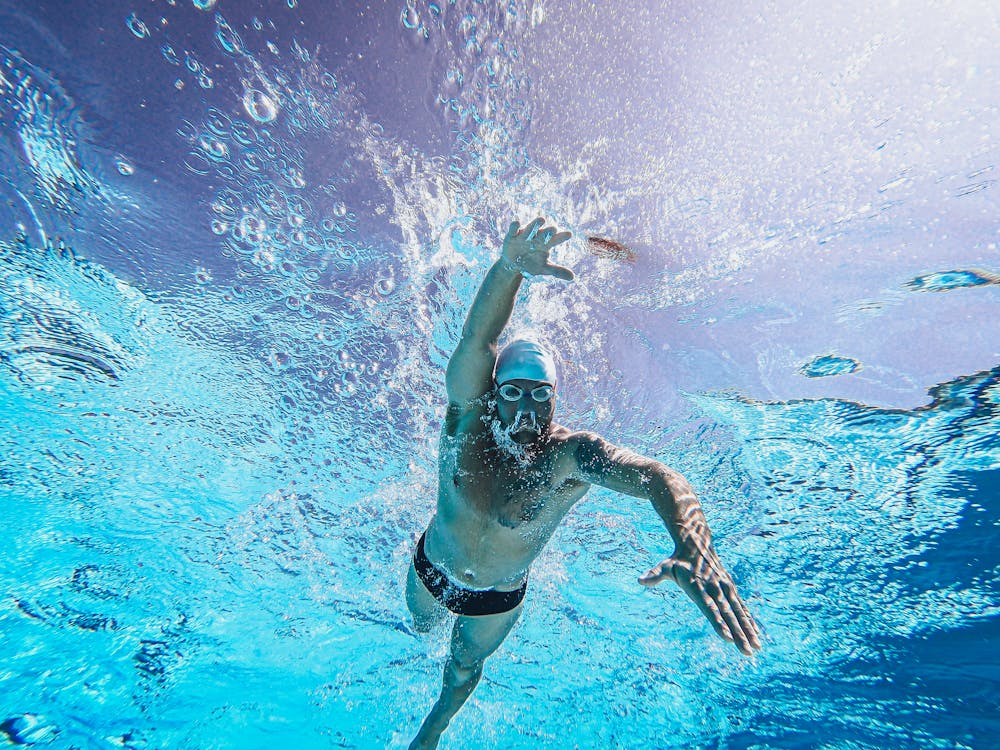
Focus on long, relaxed strokes, balanced body alignment, and smooth exhalation in the water. Even small improvements reduce effort significantly.
Sometimes endurance appears the moment inefficiency disappears.
See Pool vs Ocean: Which Is Better for Exercise for more swim-training context.
Use Intervals
You do not need to swim your full target distance nonstop from day one. Intervals are one of the best tools for building capacity.
For example, swim repeats with short rests between lengths or sets. Over time, increase the total volume or shorten rest periods.
This builds fitness while keeping the form stronger than after a single long struggle session.
Increase Gradually
Progress works best in small increments. Add a little distance, time, or volume each week rather than doubling sessions impulsively.
The body adapts well to steady signals and poorly to random punishment.
Consistency over months usually beats intensity over days.
Learn Better Breathing
Many swimmers tire because breathing feels rushed or panicked. Practice steady exhalation underwater and calm inhalation when turning to breathe.
Find a breathing rhythm that supports relaxation. For some, every two strokes works well. Others prefer every three.
Comfort with breathing often becomes comfort with distance.
Read The Truth About Drinking Ocean Water for another practical water-safety lesson.
Build General Fitness Too
Walking, cycling, strength training, and mobility work can support swimming endurance. A stronger body handles repeated effort better.
Core stability and shoulder health are especially valuable for frequent swimmers.
You do not need to live in the pool to become a better distance swimmer.
Train the Mind
Longer swims include mental moments where stopping sounds attractive. Learning to stay calm and keep rhythm matters.
Break sessions into smaller landmarks: one more lap, one more minute, next buoy, next wall.
Endurance is partly physical and partly the ability to remain steady in the face of discomfort.
Explore How to Build Confidence in Deep Water for more calm-water confidence tips.
Recover and Repeat
Fitness grows between sessions, not only during them. Sleep, hydration, nutrition, and easier recovery days all support progress.
If shoulders hurt persistently or fatigue stays high, adjust volume before forcing more.
Sustainable training is the kind that continues.
How to train yourself to swim longer distances comes down to patience and smarter effort. Move efficiently, progress gradually, and let consistency turn today’s challenge into tomorrow’s warm-up.
Check What Happens to Your Body After Hours in Water for more endurance insights.