If you want a swim that feels almost surreal, these destinations of the clearest waters in the world belong on the list.
There is something instantly memorable about stepping into water so clear it barely looks real. Visibility transforms an ordinary swim into an experience, letting you see rock formations, coral, fish, and shifting sunlight beneath the surface.
Around the world, certain lakes, bays, cenotes, and coastal regions are famous for remarkable clarity created by geology, low pollution, filtered groundwater, or protected ecosystems.
Silfra Fissure, Iceland
Silfra is one of the most famous clear-water sites on Earth. Located in Iceland’s Þingvellir region, it sits between tectonic plates and is filled with glacial water that has been naturally filtered through lava rock for years before reaching the fissure.
Visibility can extend astonishing distances, making divers and snorkelers feel as if they are floating in the air. The water is cold year-round, so guided tours use dry suits and specialized gear.
This is more about awe than lounging. If you want one of the planet’s most unusual swims, Silfra is hard to match.
Explore Lakes That Feel Like Oceans for more big-water destinations
Lake Tahoe, United States
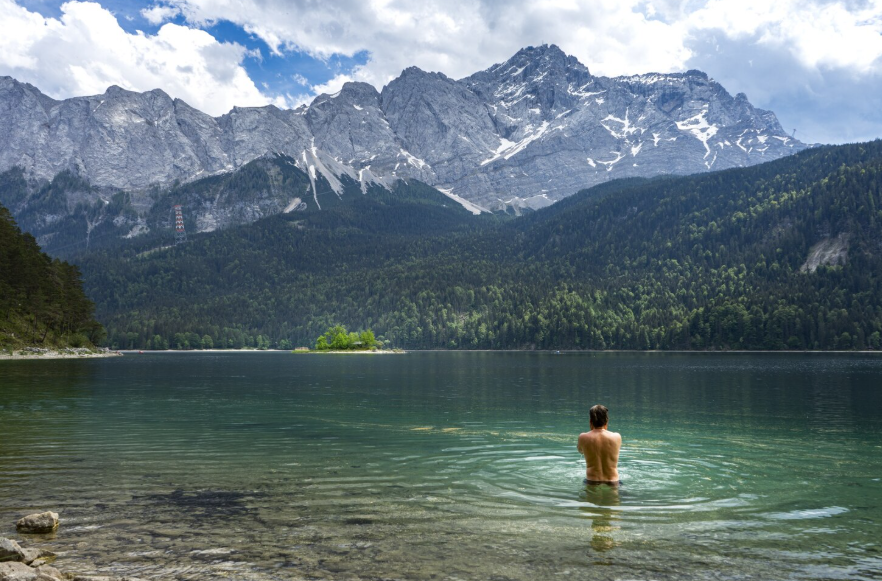
Straddling California and Nevada, Lake Tahoe is celebrated for its alpine scenery and famously transparent water. On calm mornings, the lake can look like polished glass, revealing boulders and sandy shelves below the surface.
Clarity varies by season, weather, and boat traffic, but the best conditions often come early in the day. Popular beaches offer easy access, while smaller coves reward extra exploring.
Because Tahoe sits at an elevation, the water can stay cool even in summer. Bring layers for before and after your swim.
Exuma, Bahamas
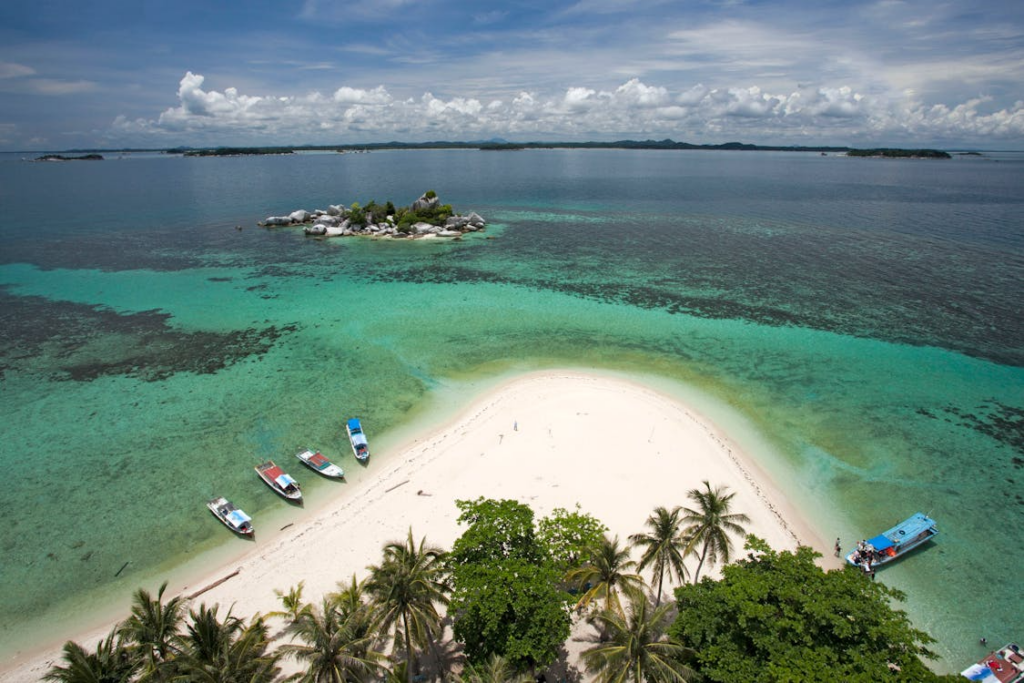
The Exuma chain in the Bahamas is known for electric turquoise shallows and incredible visibility. White sand bottoms reflect sunlight upward, creating the bright blue tones people associate with tropical paradise.
Many visitors explore by boat, hopping between sandbars, coves, and calm swim stops. Snorkeling is beginner-friendly in many areas thanks to gentle water and easy entry points.
Sun protection matters here. Clear water and reflective sand can intensify sun exposure faster than many travelers expect.
Read Secret Island Destinations You’ve Never Heard Of for quieter tropical escapes.
Blue Lake, New Zealand
New Zealand’s Blue Lake, also called Rotomairewhenua, is often cited among the clearest natural freshwater bodies in the world. The water is so transparent that submerged objects remain visible at extraordinary distances.
Because the lake holds deep cultural and environmental importance, swimming access may be restricted or discouraged depending on current guidance. Even viewing it can be a powerful experience.
This destination is a reminder that pristine water is not always meant for recreation first. Respect local rules and conservation priorities.
Cenotes of Mexico’s Yucatán Peninsula
Cenotes are limestone sinkholes filled with filtered groundwater, and many in Mexico’s Yucatán Peninsula offer crystal-clear swimming. Some are open to the sky, while others sit inside cave systems with beams of light cutting through the water.
Because water naturally filters through rock, visibility can be excellent. Each cenote has a different mood, from bright jungle pools to dramatic cavern chambers.
Water shoes, reef-safe sunscreen used well in advance, and early arrival can improve the experience. Popular cenotes get busy later in the day.
See The Best Snorkeling Spots for Beginners for easier clear-water swim ideas.
Why Some Water Is So Clear
Exceptional clarity usually comes from a combination of low sediment levels, limited algal growth, stable conditions, and natural filtration. Groundwater-fed systems often stay clear because water moves through sand, gravel, or rock before emerging.
In coastal zones, calm weather and sandy bottoms can create that postcard effect. In mountain lakes, colder temperatures and lower nutrient levels can help reduce cloudiness.
Clear water is beautiful, but it can also be fragile. A sudden storm, heavy tourism, or pollution can quickly change conditions.
Check The Cleanest Water on Earth: Where Does It Come From? for more water quality context.
How to Enjoy It Without Damaging It
Use designated entry points whenever possible. Trampling vegetation or disturbing shorelines can increase erosion and reduce water quality over time.
Avoid litter, skip harsh chemical products before swimming, and follow local rules about wildlife or protected zones. What looks pristine often stays that way because someone worked to protect it.
The clearest waters in the world are more than photo opportunities. They are living ecosystems, geological wonders, and unforgettable places where visibility turns a simple swim into something extraordinary.