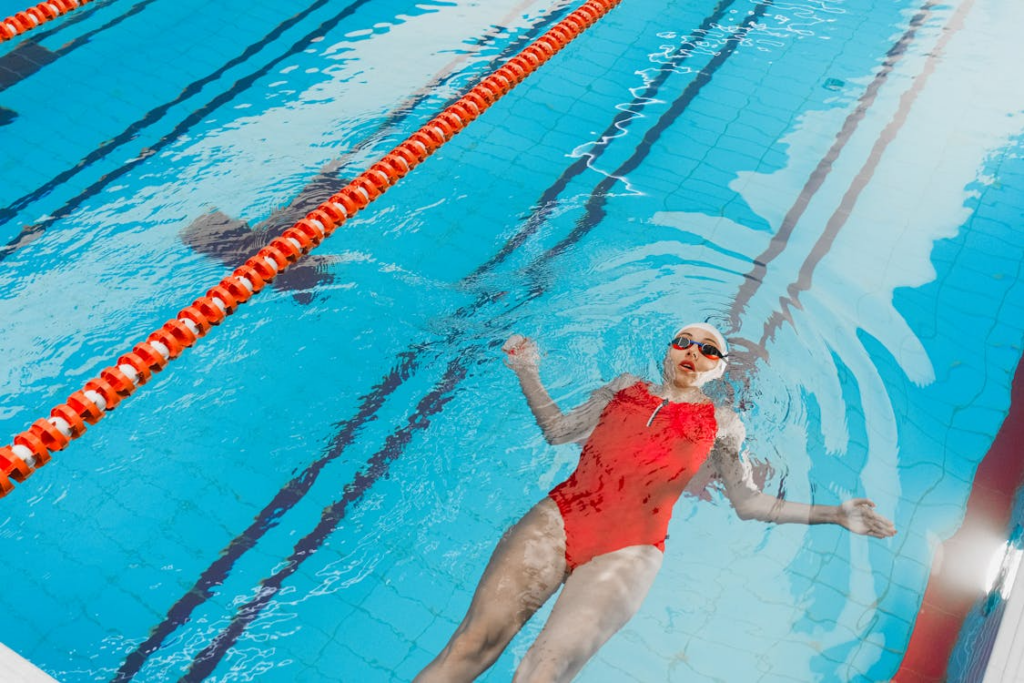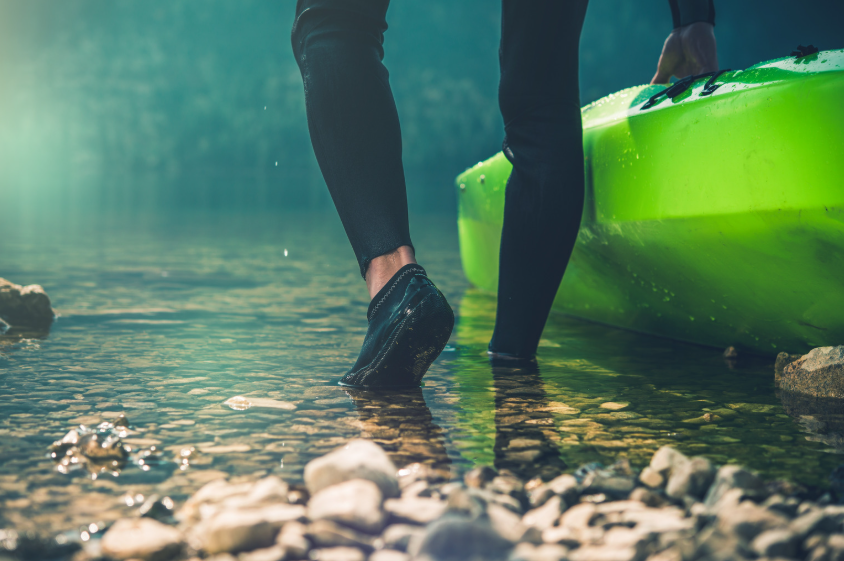
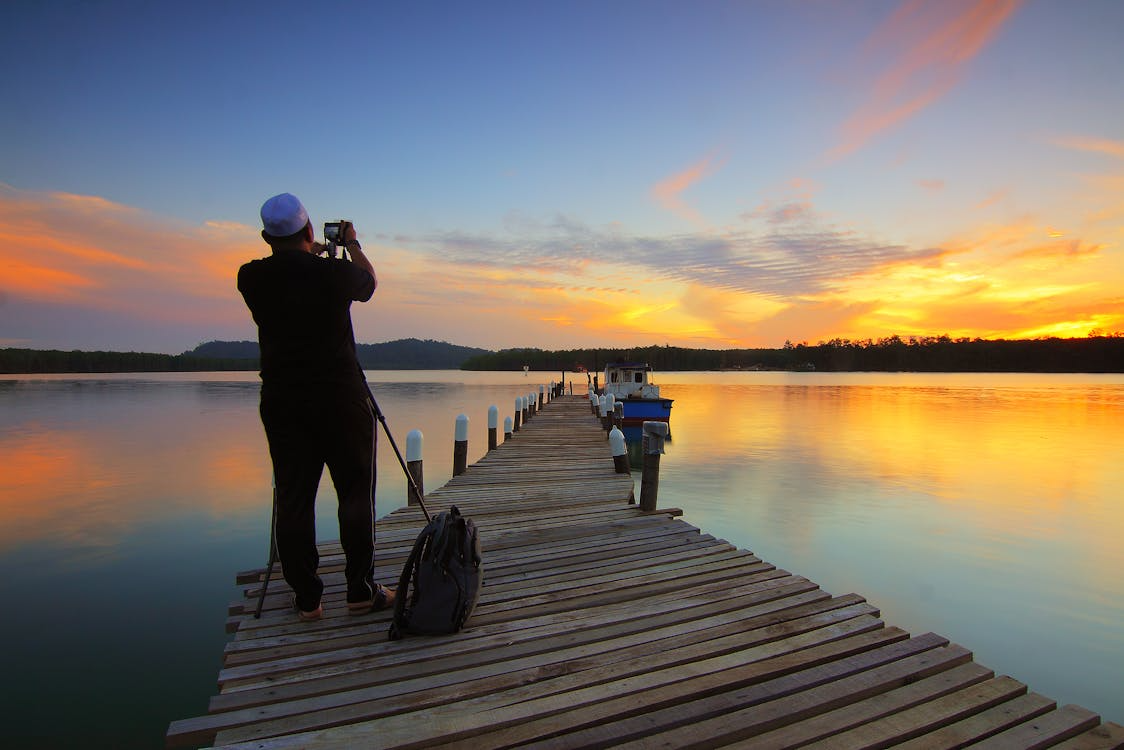
Whether you are shooting with a phone or a camera, learning how to take photos around water can dramatically improve beach shots, lake sunsets, waterfall scenes, and poolside memories.
Water can make photos look extraordinary or ruin them fast. It adds reflections, movement, atmosphere, and light, but it also creates glare, blown highlights, lens spray, and cluttered backgrounds.
Great water photography is less about expensive gear and more about timing, angle, and awareness.
Use Light at the Right Time
Midday sun often creates harsh contrast and flat-looking images. Early morning and late afternoon usually produce softer, warmer light that flatters water and skin.
This “golden hour” timing can turn ordinary scenes into something richer. Reflections become gentler, and colors often look deeper.
If midday is your only option, seek shade, clouds, or tighter compositions.
See Bioluminescent Bays That Glow at Night for more low-light water inspiration.
Change Your Angle
Many water photos fail because they are taken from a standing, eye-level position without thought. Move lower, higher, closer, or off to the side.
A low angle can emphasize reflections. Shooting from a dock, dune, or overlook can reveal patterns invisible from the shoreline.
Even small position changes often create much stronger images.
Use Reflections Intentionally
Calm water can act like a mirror. Instead of treating it as background, make the reflection part of the subject.
Symmetry works well with boats, mountains, skylines, and trees. Slight ripples can also add texture and mood.
Pause for a moment before shooting and ask what the water itself is contributing.
Learn Why Some Water Looks Blue and Other Water Looks Green for more color insight.
Include Motion
Water does not need to be frozen in time. Waves crashing, droplets flying, paddles moving, and swimmers in action often create energy.
Use burst mode on phones or faster shutter speeds on cameras for action moments. If your device allows longer exposures, moving water can also become silky and atmospheric.
Different scenes benefit from different kinds of motion.
Explore Floating Markets Around the World for picture-worthy destinations.
Watch the Horizon and Background
Crooked horizons are especially noticeable near water. Straighten the frame before you shoot if possible.
Also check for distractions: trash cans, crowded towels, random people, signs, or poles “growing” out of someone’s head.
Two seconds of background awareness can save an otherwise great photo.
Protect Your Lens
Water spots, salt spray, and fingerprints are common reasons water photos look soft or hazy.
Wipe lenses regularly with a clean cloth and keep gear protected between shots.
Many people blame the camera when the real issue is a dirty lens.
Check The Best Waterproof Tech You Can Actually Trust before shooting near water.
Use People for Scale and Story
A lone swimmer, paddleboarder, or child at the shoreline can make a scene feel more alive and give viewers a sense of size.
Without scale, dramatic landscapes sometimes feel flatter than they did in person.
People do not have to dominate the frame to improve it.
Edit Lightly and Smartly
Small adjustments to brightness, contrast, warmth, and straightening can significantly improve images.
Avoid overprocessing water into unnatural neon colors unless that is your deliberate style. The best photo edits usually enhance what was already there rather than inventing something new.
How to take better photos around water comes down to noticing what water is doing, with light, reflection, motion, and mood. Once you start seeing those elements, your images improve long before you buy new gear.