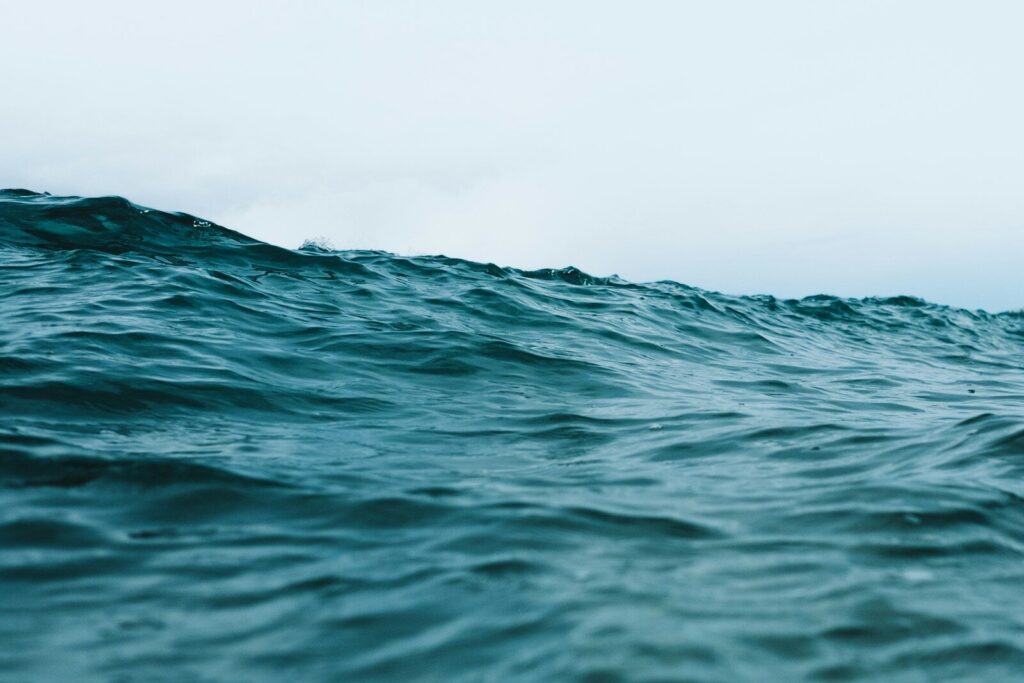

Water is so common that it can be easy to overlook. It flows from taps, falls from the sky, fills lakes and oceans, and appears in nearly every aspect of daily life. Yet water is one of the most extraordinary substances on Earth. It supports every known form of life, shapes landscapes, influences weather patterns, powers industries, and plays a vital role in human health. Without it, civilization as we know it simply would not exist.
Despite its importance, many people rarely stop to consider just how deeply water influences the world around them. From the food on our plates to the cities we live in, water serves as an invisible foundation beneath modern life. Understanding its role can provide a greater appreciation for one of our planet’s most valuable resources.
Water and the Rise of Human Civilization
The story of civilization is closely tied to the story of water. Long before modern infrastructure made it possible to transport resources across continents, access to reliable freshwater determined where people could live and thrive.
Some of the world’s earliest civilizations emerged along major river systems. Ancient Egyptians depended on the annual flooding of the Nile River to enrich farmland and support agriculture. In Mesopotamia, the Tigris and Euphrates rivers allowed communities to grow crops, establish trade routes, and develop some of the first urban centers. Similar patterns emerged in the Indus Valley and along China’s Yellow River.
Water provided more than drinking supplies. Rivers served as transportation corridors, making it easier to move people, goods, and ideas. Fertile floodplains supported larger populations and encouraged the development of specialized occupations, governments, and cultural institutions.
Even today, many major cities remain closely connected to waterways. Coastal locations support international trade, while rivers and reservoirs continue to provide drinking water, recreation, and economic opportunities. Although technology has expanded where people can live, water remains one of the most important factors influencing human settlement and development.
The Water Cycle That Sustains Life on Earth
One of the most remarkable aspects of water is that it is constantly moving through a natural system known as the water cycle. This process has been operating for billions of years and continually recycles Earth’s water supply.
The cycle begins when heat from the sun causes water from oceans, lakes, rivers, and soil to evaporate into the atmosphere. Plants also contribute moisture through a process called transpiration, releasing water vapor from their leaves. As water vapor rises and cools, it condenses into tiny droplets that form clouds.
Eventually, these droplets combine and fall back to Earth as precipitation, including rain, snow, sleet, or hail. Some of this water runs across the surface into rivers and lakes, while some infiltrates the ground and replenishes underground aquifers. The process then repeats.
This continuous movement helps distribute freshwater around the globe and supports ecosystems of every kind. Forests, grasslands, wetlands, agricultural regions, and urban areas all depend on the water cycle functioning properly. Changes in precipitation patterns can have significant effects on food production, wildlife habitats, and water availability.
The water cycle demonstrates how interconnected Earth’s systems truly are. Water that falls as rain in one region may eventually flow into rivers, reach the ocean, evaporate into the atmosphere, and later return as precipitation thousands of miles away.
Read More: The Clearest Waters You Can Swim In Around the World
What Makes Water Scientifically Unique
Water possesses several unusual properties that make life on Earth possible. While it may appear simple, its molecular structure gives it characteristics that distinguish it from most other substances.
One of the most important properties is its ability to absorb and retain heat. Water warms and cools more slowly than land, helping moderate temperatures around the globe. Coastal regions often experience milder seasonal changes because nearby oceans absorb heat during warmer months and release it gradually as temperatures cool.
Another remarkable feature is water’s ability to dissolve a wide variety of substances. Because of this, water transports nutrients throughout living organisms and ecosystems. In the human body, it carries oxygen, vitamins, minerals, and other essential compounds to cells while helping remove waste products.
Perhaps the most famous example of water’s unusual behavior is the fact that ice floats. Most substances become denser when they freeze, causing solids to sink. Water behaves differently. As it freezes, its molecules form an open structure that takes up more space and reduces density.
This seemingly simple characteristic has enormous ecological importance. Lakes and ponds freeze from the top down, creating an insulating layer of ice that protects aquatic life below. Without this property, many freshwater ecosystems would not survive cold winters.
Water also exhibits strong surface tension, allowing insects to walk across ponds and helping plants move water from roots to leaves. These unique characteristics combine to make water one of the most essential substances on the planet.
How Water Supports Human Health
Water is fundamental to human health and survival. The human body consists largely of water, and nearly every biological process depends upon it in some way.
Hydration plays a critical role in regulating body temperature. When people exercise or encounter hot conditions, sweat helps cool the body through evaporation. Without adequate water intake, this system becomes less effective, increasing the risk of heat-related illness.
Water also supports digestion and nutrient absorption. It helps break down food, transport nutrients throughout the body, and facilitate numerous metabolic processes. Proper hydration assists the kidneys in filtering waste products from the bloodstream and removing them through urine.
Even mild dehydration can affect physical and cognitive performance. Common symptoms include fatigue, headaches, dizziness, and difficulty concentrating. Athletes, outdoor workers, and individuals living in warm climates often need additional fluids to replace water lost through perspiration.
Maintaining hydration does not require complicated strategies. For most people, regularly drinking water throughout the day and consuming water-rich foods such as fruits and vegetables can help support healthy fluid balance.
The relationship between water and health extends beyond individual consumption. Access to clean drinking water and sanitation systems has dramatically improved public health outcomes around the world, reducing the spread of many infectious diseases and improving quality of life for billions of people.
The Connection Between Water and Mental Well-Being
Water affects more than physical health. Many people experience a profound sense of calm when spending time near oceans, lakes, rivers, or waterfalls. Scientists have increasingly studied these effects, often referring to aquatic environments as “blue spaces.”
Research suggests that natural settings can help reduce stress, lower anxiety levels, and promote relaxation. Water may enhance these benefits through its visual patterns, rhythmic sounds, and ability to capture attention without overwhelming the senses.
The steady movement of waves, flowing rivers, or falling rain can encourage mindfulness by drawing focus toward the present moment. For some individuals, time spent near water provides an opportunity to disconnect from daily pressures and reconnect with nature.
Water-based recreation offers additional mental health benefits. Activities such as swimming, kayaking, paddleboarding, fishing, and boating combine physical movement with exposure to natural environments. Exercise itself contributes to improved mood, while outdoor experiences often provide opportunities for social connection and personal reflection.
These psychological benefits help explain why waterfront destinations remain popular vacation spots and why homes with water views often command premium prices. People have long recognized the restorative qualities of water, even before scientific research began exploring the reasons behind them.
Why Modern Economies Depend on Water
Water supports nearly every sector of the global economy. Its role extends far beyond household use, influencing agriculture, manufacturing, transportation, and energy production.
Agriculture remains one of the largest consumers of freshwater resources worldwide. Farmers rely on water to irrigate crops, support livestock, and maintain food production systems. Reliable water supplies help ensure stable harvests and contribute to food security.
Manufacturing industries use water for cooling equipment, cleaning materials, processing products, and generating steam. Industries ranging from food production to electronics manufacturing depend on access to sufficient water resources.
Energy production also relies heavily on water. Hydroelectric facilities generate renewable electricity by harnessing the power of flowing water. Many conventional power plants use water for cooling systems that help regulate operating temperatures.
Transportation networks benefit from waterways as well. Rivers, canals, ports, and coastal shipping routes facilitate the movement of goods around the world. Maritime trade remains one of the most efficient methods of transporting large quantities of cargo across long distances.
Because water touches so many aspects of economic activity, disruptions caused by droughts, contamination, or infrastructure failures can create significant challenges for communities and industries alike.
Water Challenges Facing the Future
Although water continuously cycles through the environment, access to clean freshwater is not unlimited. Growing populations, changing climate conditions, and increasing demand place pressure on water resources in many regions.
Droughts can reduce water availability for households, agriculture, and industry. Extended periods of low rainfall may strain reservoirs, rivers, and groundwater supplies. At the same time, more intense storms can contribute to flooding and infrastructure damage.
Aging water systems present another challenge. Many communities must invest in maintaining and upgrading pipes, treatment facilities, and storage infrastructure to ensure reliable access to safe drinking water.
Climate change introduces additional complexity by influencing precipitation patterns, snowpack levels, sea-level rise, and water temperatures. These shifts can affect ecosystems, agriculture, and long-term resource planning.
Fortunately, innovation continues to provide new solutions. Advances in water treatment technology, desalination, conservation practices, leak detection systems, and wastewater recycling are helping communities improve efficiency and resilience. Individuals can contribute through simple conservation measures such as repairing leaks, installing water-efficient fixtures, and using water responsibly outdoors.
Read More: The Cleanest Water on Earth: Where Does It Come From?
Why Water Deserves Greater Appreciation
Water’s influence extends through every aspect of life. It shapes civilizations, sustains ecosystems, supports health, powers economies, and provides countless opportunities for recreation and inspiration.
Its importance often becomes most visible during times of scarcity, yet its value exists every day. Every glass of water, every rainfall, every river, and every ocean current contributes to the systems that make life on Earth possible.
By understanding water more deeply, we gain a greater appreciation for a resource that is frequently taken for granted. Whether encountered in a quiet mountain stream, a bustling harbor, or a simple kitchen faucet, water remains one of the most remarkable forces on our planet.