The best waterproof tech for travel earns your trust through realistic design, strong durability, and a fit that matches how you actually use it. Splash-proof is not the same as swim-ready, and pool use is not the same as saltwater adventure.
Waterproof technology sounds simple until something expensive gets soaked. Phones, speakers, watches, cameras, and accessories often advertise water resistance, but not every product is built for the same level of exposure.
Start With the Rating, Not the Marketing
The most useful clue is often the official protection rating. Many devices use IP ratings that describe resistance to dust and water.
Higher ratings can indicate stronger protection, but details still matter. A product tested for brief freshwater immersion may not be designed for repeated diving, surf, or saltwater use.
Trust begins with understanding the limits, not assuming “waterproof” means indestructible.
Explore Affordable Ways to Create a Backyard Water Oasis for simple outdoor setup ideas.
Smartwatches and Fitness Wearables
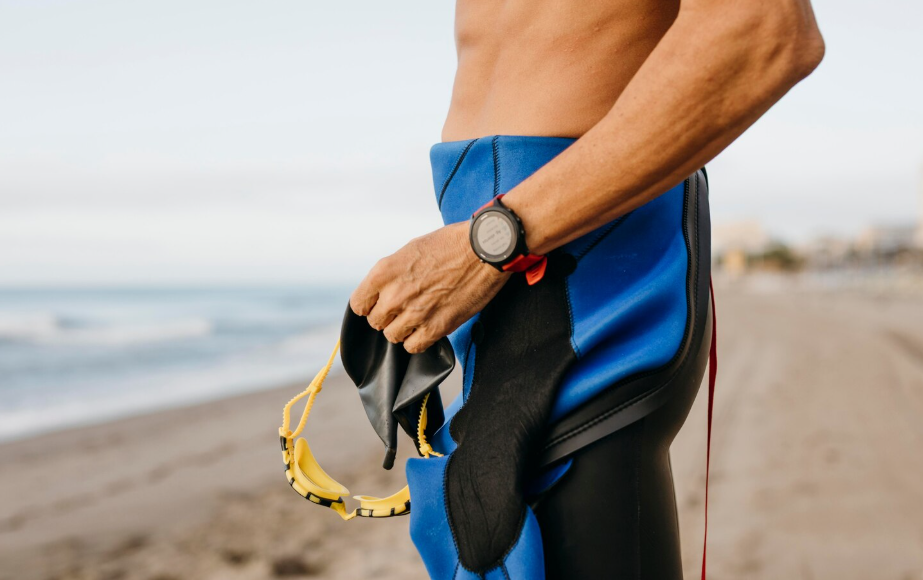
Wearables are among the most practical water-ready devices because they are designed to stay with you during workouts, in the rain, and during many swim sessions.
Good options track laps, heart rate, or open-water activity while surviving regular exposure to moisture.
Even strong wearables need rinsing after saltwater and periodic inspection of straps or seals.
Waterproof Speakers
Portable speakers are one of the easiest wins in this category. A rugged, water-resistant speaker can upgrade pool days, beach trips, and backyard evenings.
The best ones balance sound quality with durable construction and battery life. Floating designs can be useful for pool use, while compact, rugged models travel better.
Keep volume considerate in public spaces. Great gear does not override beach etiquette.
Action Cameras
Action cameras became popular for a reason. They are built for movement, weather, and water-based adventures that would threaten standard cameras.
They shine for snorkeling, paddleboarding, boating, biking in the rain, and traveling in fast-changing conditions.
For deeper use, many still rely on dedicated housings rather than body seals alone.
See Paddleboarding vs Kayaking: Which Is Better? before filming your next water trip.
Phones Need Extra Caution
Modern phones may survive splashes or brief immersion, but they are often the most overtrusted category.
Repeated exposure, cracked seals, drops, heat, or aging can reduce protection over time. Saltwater also introduces extra risk.
If your phone matters, use a waterproof pouch or keep it dry, even if the specs sound reassuring.
Read How to Take Better Photos Around Water for safer phone photography habits.
Accessories That Matter More Than Expected
Sometimes the most valuable waterproof tech is not glamorous. Dry bags, waterproof pouches, sealed power banks, and durable flashlights can save the day.
These support items protect your main devices and make outings easier.
Reliability often lives in the accessories people overlook.
How to Make Gear Last Longer
Rinse devices after saltwater exposure if the manufacturer allows it. Dry ports before charging and avoid forcing wet buttons or covers.
Inspect seals, gaskets, straps, and closures regularly. Small wear points become failure points.
Use the gear within its intended purpose, not to test its limits for fun.
Check The Best Shoes for Water Activities to match your gear to the outing.
Buy for Your Real Use Case
A beachgoer, swimmer, kayaker, and scuba diver do not need the same equipment. Overbuying can waste money, and underbuying can ruin a trip.
Think about depth, duration, saltwater exposure, portability, and how often you will actually use it.
The right match creates trust more than the highest price tag does.
The best waterproof tech you can actually trust is gear chosen honestly and used intelligently. Ratings matter, habits matter, and knowing your real needs matters most of all.