
Few sounds calm the mind as quickly as water. The best sound is personal, but certain types of water audio consistently help people unwind, focus, or fall asleep.
Long before playlists and wellness apps, people relaxed beside rivers, rainstorms, fountains, and shorelines because the human nervous system often responds well to steady, natural patterns.
Water sounds can mask harsh noise, encourage slower breathing, and create a sense of distance from everyday stress.
Gentle Rainfall
Soft rain is one of the most popular relaxation sounds for a reason. It creates a broad, even layer of audio that can cover traffic, voices, and household distractions.
Because the pattern is steady but slightly varied, many people find it soothing rather than monotonous.
Rain works well for sleep, reading, and background concentration.
Explore The Cleanest Water on Earth: Where Does It Come From? for more water context.
Ocean Waves
Slow, repeating waves offer rhythm and spaciousness. The cycle of build, break, and retreat can feel almost like guided breathing.
Many listeners use ocean sounds to reduce stress because they evoke vacations, open space, and time away from routines.
Calmer surf usually relaxes more than stormy, crashing waves, though preferences vary.
Read How Waves Actually Form for a simple look at ocean movement.
Flowing Rivers and Streams
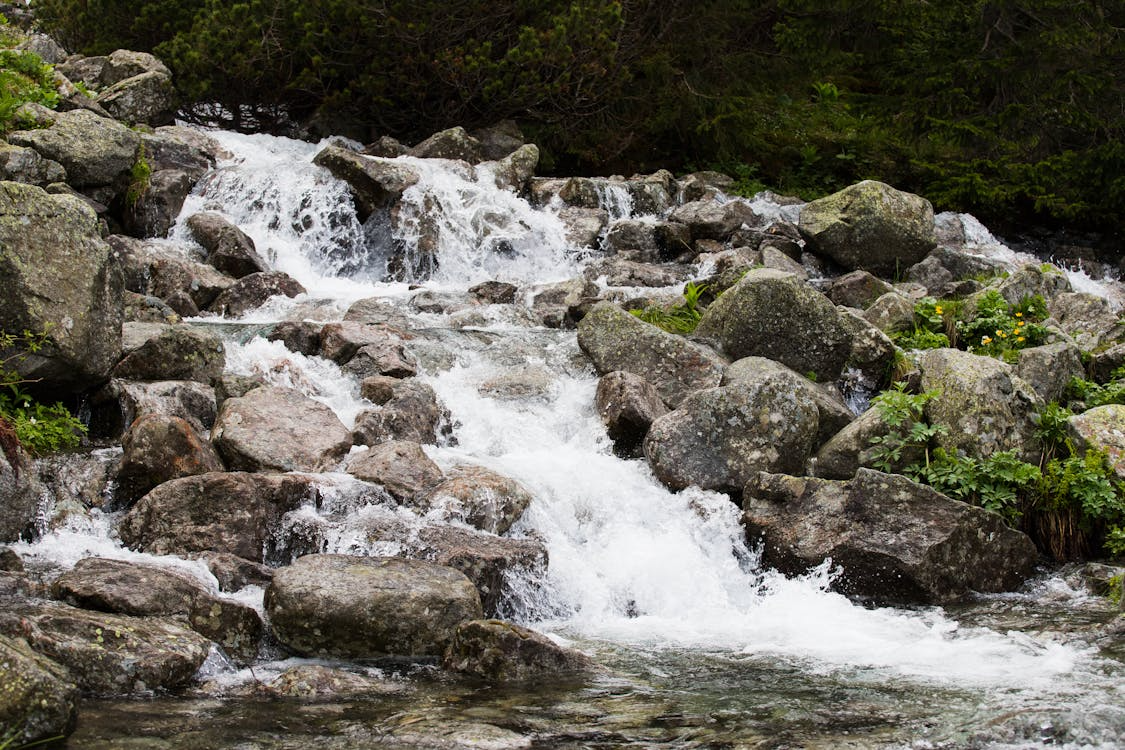
Stream sounds often feel lively without being overwhelming. Water moving over rocks creates texture and variation that can keep the mind gently engaged.
This makes rivers useful for work, journaling, or meditation, where total silence feels uncomfortable.
The sound suggests movement without urgency.
Waterfalls
For some people, waterfalls provide a stronger, fuller sound with greater intensity than a small stream, creating a sense of immersion and blocking distractions extremely well.
They can be ideal in noisy environments where lighter sounds get lost.
If you find waterfalls too forceful, lower the volume or choose smaller cascade recordings.
See Natural Lazy Rivers You Can Float Down for more slow-water inspiration.
Fountain and Garden Water
Fountains combine the calm of water with a sense of order and intimacy. They often feel less wild than ocean or rain sounds.
That makes them great for indoor relaxation, patios, reading corners, or short breaks during the day.
Many people enjoy fountains because they sound peaceful without feeling sleepy.
Why Water Sounds Help
Water audio often contains repeating patterns with subtle variation. That balance can be easier for the brain to settle into than unpredictable noise.
Natural sounds may also shift attention away from rumination and toward sensory experience in the present moment.
Sometimes relief comes not from adding something dramatic, but from reducing mental friction.
Try Creating a Spa-Like Bath Ritual at Home for another calming routine idea.
How to Use Them Best
Match the sound to the task. Rain or waves may help sleep, while streams may suit focus better.
Use moderate volume. Relaxation usually comes from atmosphere, not blasting noise through speakers.
Try headphones, a bedside speaker, or a small fountain, depending on your space and goal.
Build a Simple Ritual
Pair water sounds with another calming habit: stretching, tea, reading, journaling, breathing exercises, or a short evening wind-down.
Repeated together, the sounds can become a cue that tells your body it is time to slow down.
Consistency often matters more than duration.
The most relaxing water sounds for stress relief are the ones that help your mind unclench. Whether it is rain on a roof or waves on a shore, water reminds the nervous system that not everything needs to happen at once.