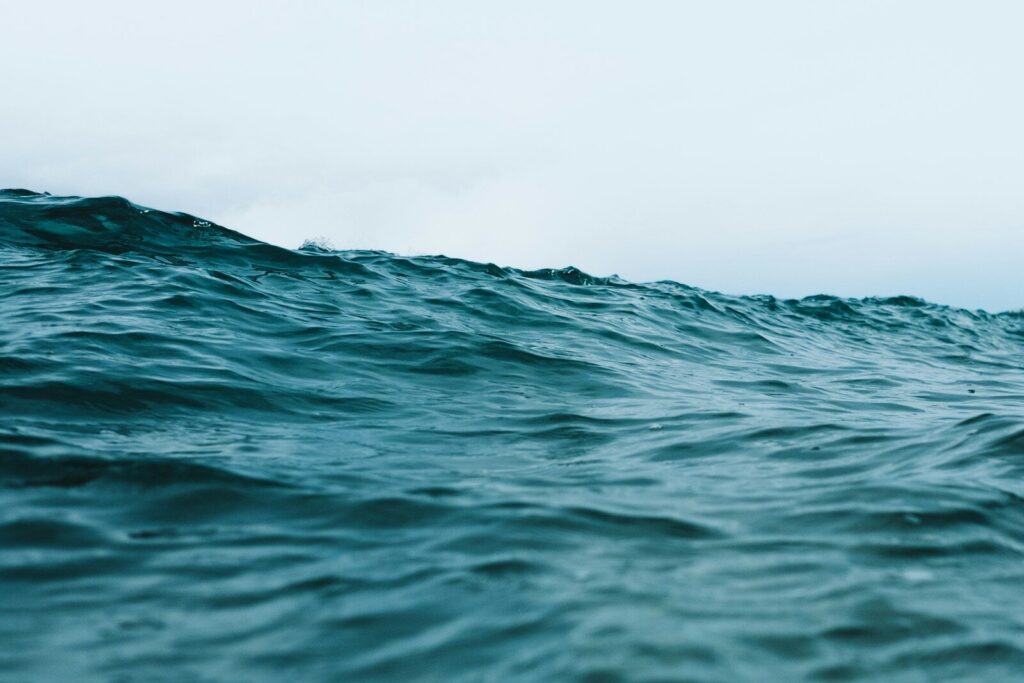

Understanding why you can’t drink ocean water is important not only for survival scenarios but also for appreciating how the human body manages water and salt balance every day
When people imagine survival at sea, one dangerous myth recurs: that ocean water can quench thirst in an emergency. It cannot.
Drinking saltwater usually makes dehydration worse, not better. Even a few desperate sips can create problems, especially when heat, sun exposure, and lack of fresh water are already stressing the body.
Why Saltwater Is a Problem
Ocean water contains far more salt than the human body can safely consume as drinking water. Your kidneys can remove excess salt, but they need water to do it.
That creates the core problem. To eliminate the salt you swallowed, your body must use more water than the saltwater provided.
Instead of solving thirst, you can end up losing water overall.
Read The Cleanest Water on Earth: Where Does It Come From? for more on water quality.
What Happens After You Drink It
At first, you may feel no relief. Thirst often continues because your body still needs usable fresh water.
As dehydration worsens, symptoms can include headache, weakness, dizziness, confusion, dry mouth, and reduced urine output. Heat and sun exposure can intensify these effects quickly.
In difficult situations, impaired thinking can lead to even worse decisions, creating a dangerous cycle.
Explore What Happens to Your Body After Hours in Water for more body-focused water science.
Why the Body Cannot “Get Used to It”
Some people assume small amounts might train the body to adapt. Human physiology does not work that way with seawater.
Our kidneys are remarkable, but they have limits, and handling too much seawater can be deadly. Marine animals evolved different systems to handle salt loads that humans do not have.
You cannot willpower your organs into becoming ocean-ready.
Is Any Amount Safe?
A tiny accidental splash while swimming is usually not the issue. The danger comes from intentionally drinking meaningful amounts for hydration.
Repeated small sips can still add up, especially when no fresh water is available, and dehydration is already underway.
If you are stranded, conserving energy and protecting yourself from the sun can be safer than turning to seawater.
See The Real Reason Ice Floats for a simple water science explainer.
Better Survival Priorities
The best hydration source is collected rainwater, stored fresh water, or properly desalinated water. Shade and reduced exertion also matter because they slow water loss.
Signaling for rescue, preserving body temperature, and managing exposure are often just as important as rationing water.
Good survival outcomes usually come from many smart, small decisions, not one dramatic fix.
What About Desalination?
Saltwater can become drinkable if the salt is removed. This is how desalination plants and emergency survival devices work.
Boiling alone does not remove salt. In fact, boiling without capturing condensed vapor can leave the salt behind in the remaining water.
The key is separation, not just heating.
Why This Myth Persists
Stories often favor dramatic improvisation, and “drink from the sea” sounds intuitive when set against a watery backdrop.
But visible abundance is not the same as a usable resource. The ocean is full of water that your body cannot directly use.
That contrast is one reason the lesson is memorable.
Review The Science Behind Rip Currents for another important explainer.
The Real Takeaway
Ocean water is one of those substances that looks helpful in the wrong context. For swimming, transport, ecosystems, and climate, it is essential. For hydration, the opposite is true.
Knowing that distinction can prevent dangerous mistakes and deepen respect for how finely tuned the human body really is.
The truth about drinking ocean water is simple: when you are thirsty, saltwater is not a rescue. It is another problem your body now has to solve.