Understanding how tsunamis form helps separate myth from one of nature’s most dangerous coastal events.
Tsunamis are often misunderstood as giant tidal waves caused by weather or normal tides. They are neither. A tsunami is a series of powerful waves, usually triggered by the sudden displacement of large volumes of water, most often by undersea earthquakes.
In the deep ocean, they may pass almost unnoticed. Nearshore, they can rise dramatically, causing devastating flooding.
What Usually Causes a Tsunami
NOAA explains that a tsunami is caused by a large and sudden displacement of the ocean, usually from an earthquake below or near the ocean floor.
That disturbance sends energy outward in multiple directions across the ocean basin. It is not a single breaking wave moving like movie scenes often show.
Underwater landslides and volcanic activity can also trigger tsunamis.
See Why Water Pressure Can Crush You for more deep-ocean science.
Why They Can Be Hard to Notice Offshore
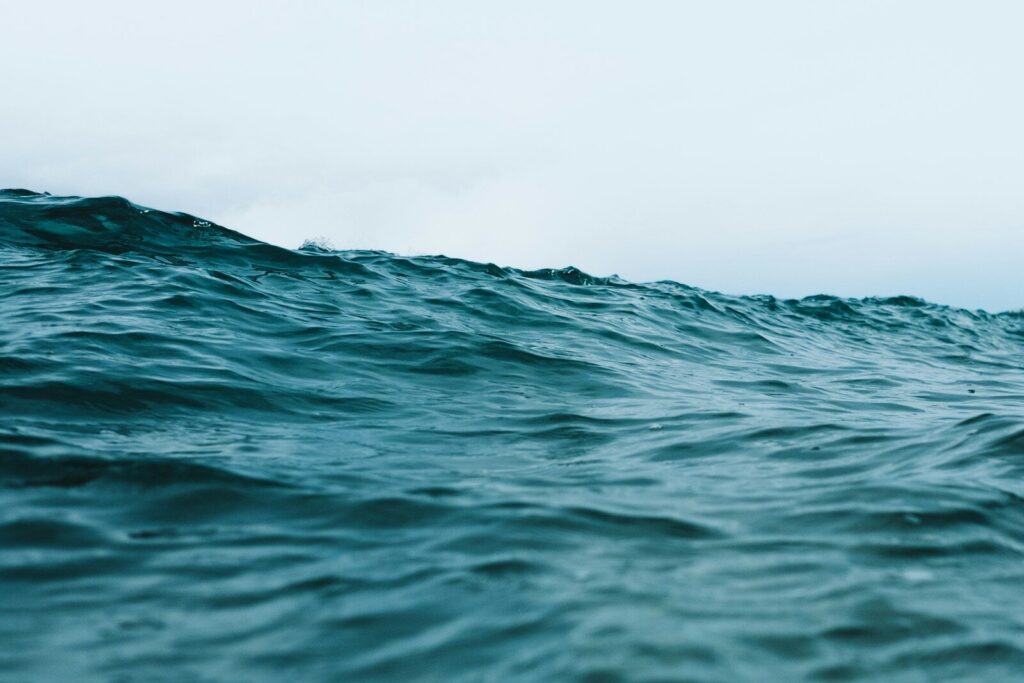
In deep water, tsunami waves often have very long wavelengths and relatively small surface height. A ship far from shore may barely notice one passing beneath it.
The energy is spread through a massive moving volume of water rather than a towering crest.
This is why danger can remain invisible until the wave reaches shallower coastal areas.
What Happens Near Shore
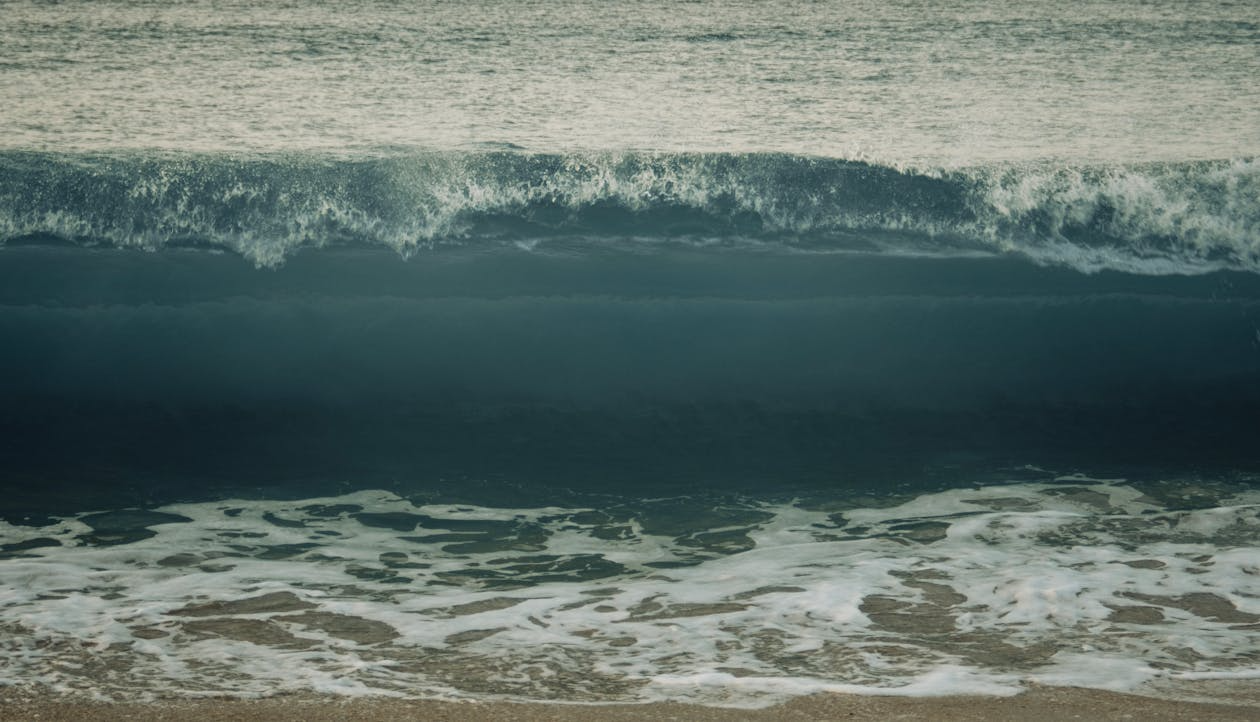
As a tsunami enters shallow water, the lower part of the wave slows because it interacts with the seafloor.
The energy condenses into a smaller area, raising the water level. This process can turn a subtle offshore wave into a fast-moving surge or wall of water near land.
Local coastline shape strongly influences how severe the impact becomes.
Read How Waves Actually Form for more insight into moving ocean water.
It Is Often More Than One Wave
A tsunami typically arrives as a series of waves over time, not as a single event. Later surges can be larger than the first.
That creates a dangerous mistake when people return too early after an initial wave that seems minor.
Authorities issue all-clear guidance for a reason. The threat may continue longer than expected.
The Ocean May Recede First
Sometimes water pulls back unusually far before a tsunami surge arrives. This happens because of how the wave sequence interacts with the shoreline.
Exposed seafloor, stranded fish, or suddenly retreating water can be a natural warning sign.
If you ever witness that behavior after an earthquake or alert, move to higher ground immediately.
Explore The Science Behind Rip Currents for another serious coastal hazard.
Why Speed Matters
Tsunamis can travel across the ocean at remarkable speeds in deep water. That is why distant earthquakes can threaten coastlines far away.
Modern warning systems use seismic data, ocean sensors, and modeling to estimate arrival times and risk zones.
Fast detection saves lives, but only if people respond quickly.
How to Stay Safe
If you are near the coast and feel a strong or long earthquake, do not wait for visual confirmation. Move inland or uphill as soon as possible.
Follow evacuation routes, official alerts, and local emergency plans. Vertical evacuation structures may exist in some areas.
Never go to the beach to watch incoming waves. Curiosity can become fatal during tsunami events.
Check Common Beach Mistakes People Always Make for more beach safety reminders.
Why They Matter Beyond Headlines
Tsunamis can reshape shorelines, damage infrastructure, disrupt ecosystems, and affect communities for years after the water recedes.
Their rarity in many places can lead to complacency, which makes education especially important.
Knowing the basics before an event is far more useful than learning during one.
Tsunamis result from sudden water displacement, long-traveling energy, and dramatic amplification near shore. What begins invisibly in the deep ocean can become one of the most destructive forces a coastline ever faces.