Solo swimming is not automatically reckless, but it does require stronger habits and smarter choices.
Swimming alone can be peaceful, convenient, and deeply enjoyable, but it also removes your biggest safety backup: another person. Without a companion nearby, small problems can escalate faster, from cramps and fatigue to currents, slips, or sudden health issues.
The goal is not fear. It is reducing unnecessary risk, so independence does not become vulnerability.
Choose the Right Location
Where you swim matters more than almost anything else; a guarded pool or lifeguarded beach is generally safer than a remote lake or empty shoreline.
Pick places with visible people nearby, easy exits, and known conditions. Familiar environments usually beat adventurous, unknown ones when swimming solo.
If a location already feels sketchy before you get in, trust that instinct and choose another option.
Compare Pool vs Ocean: Which Is Better for Exercise for choosing safer swim settings.
Tell Someone Your Plan
Before swimming alone, let someone know where you are going and when you expect to return.
This simple step costs almost nothing and can make a big difference if something goes wrong. Share location details, parking area, and rough timing.
Even independent people benefit from basic redundancy.
Respect Conditions Honestly
Do not let pride choose your swim. Wind, surf, cold water, storms, poor visibility, and current can turn an average outing into a bad decision.
Solo days are the wrong days for proving toughness. Choose easier conditions than you would with a partner.
Conservative judgment is one of the strongest safety tools you have.
See Why Water Pressure Can Crush You for more water-risk context.
Stay Within Your Real Limits
Swim distances and durations you know you can handle comfortably. Solo sessions are not the best time to attempt personal records.
Fatigue often arrives gradually. Turn back earlier than you think you need to, especially in open water.
Leaving energy in reserve is smarter than using every bit of it.
Keep Safety Gear Simple
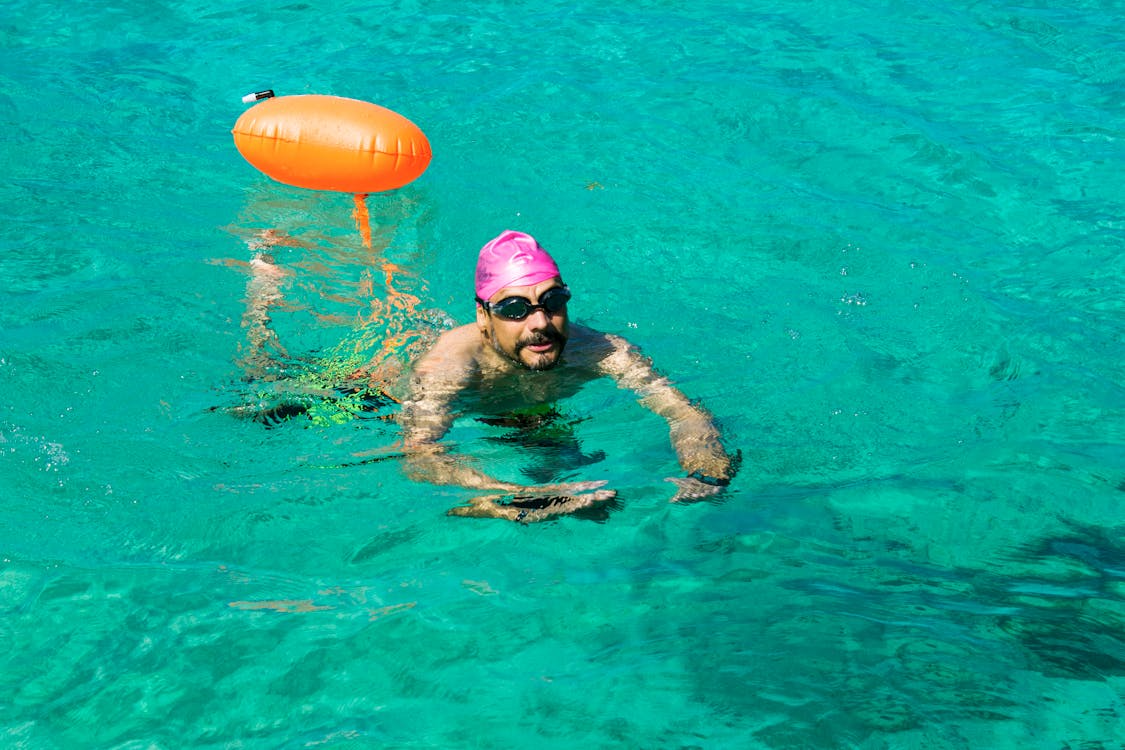
Bright swim buoys, flotation devices, whistles, and visible caps can increase safety in many open-water settings.
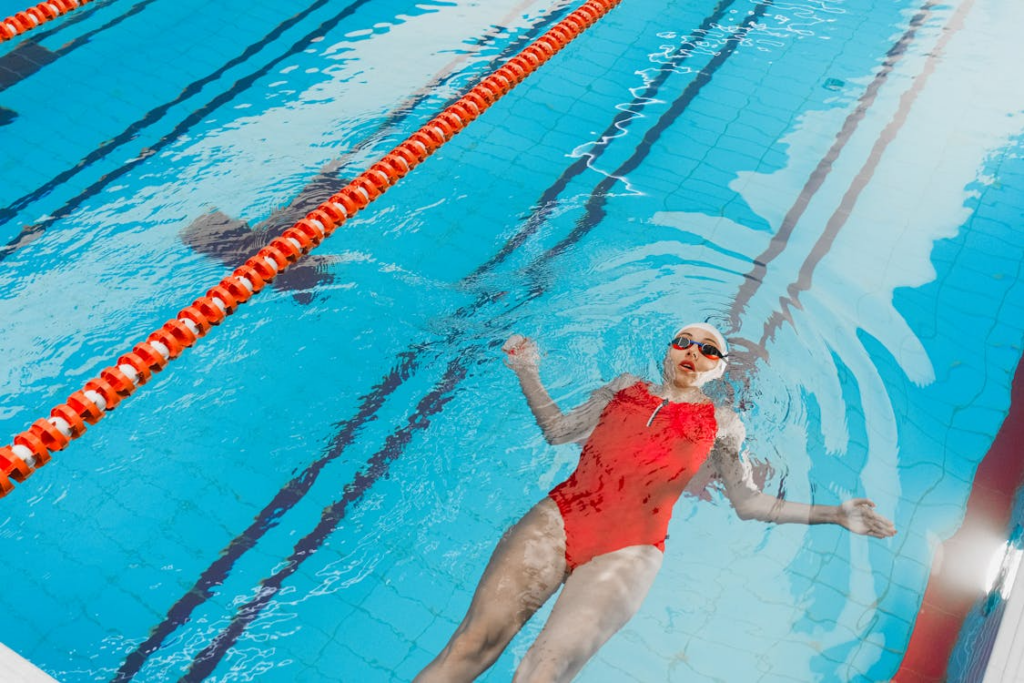
In pools or managed beaches, the equivalent may simply be staying near staffed areas and keeping hydration nearby.
You do not need gadgets for everything, but a few practical tools can improve the margin for error.
Watch for Body Signals
Pay attention to cramps, dizziness, unusual shortness of breath, confusion, or sudden weakness.
People sometimes ignore early warnings because they do not want to interrupt a workout or a relaxing moment. That is exactly when good judgment matters most.
Get out early if something feels off. Small caution beats delayed regret.
Explore What Happens to Your Body After Hours in Water for more body-awareness insight.
Avoid Distractions and Risk Stacking
Swimming alone while overly tired, dehydrated, after drinking, in bad weather, or in unfamiliar water stacks multiple risks at once.
One factor may be manageable. Several together can become a real danger.
Safe solo swimming often comes from removing extra variables before they matter.
Learn How to Train Yourself to Swim Longer Distances before pushing swim distance.
Build a Repeatable Routine
Check conditions, tell someone, warm up, swim conservatively, monitor energy, and exit before exhaustion. A consistent system protects you even when motivation or mood changes.
Good habits are especially valuable on days when you are distracted or overconfident.
Routine turns judgment into something dependable.
How to stay safe while swimming alone comes down to humility and preparation. Choose easier conditions, respect your limits, and give yourself the backup systems another person would normally provide.