A small difference in composition can create a noticeable difference in how your body rides at the surface. Exploring why you float in salt water is one of the simplest ways physics shows up in everyday life.
Many people notice it immediately. In the ocean, staying afloat can feel easier than it does in a pool or lake. The reason is neither imagination nor a special technique. It comes down to buoyancy, density, and how dissolved salt changes the physical properties of water.
The Core Idea: Buoyancy
Buoyancy is the upward force a fluid exerts on an object placed in it. If that upward force is strong enough, the object floats or feels lighter.
Your body displaces water when you enter it. The water pushes back upward, which helps support your weight.
Floating depends on the relationship between your body’s average density and the density of the surrounding water.
Read The Real Reason Ice Floats for another simple buoyancy explainer.
Why Salt Changes the Water
When salt dissolves in water, it adds mass without increasing volume in the same proportion. That makes the water denser.
Denser water can provide a greater buoyant force for the same amount of displacement. In practical terms, it supports you more effectively.
That is why seawater usually feels easier to float in than freshwater.
Why the Difference Feels Noticeable
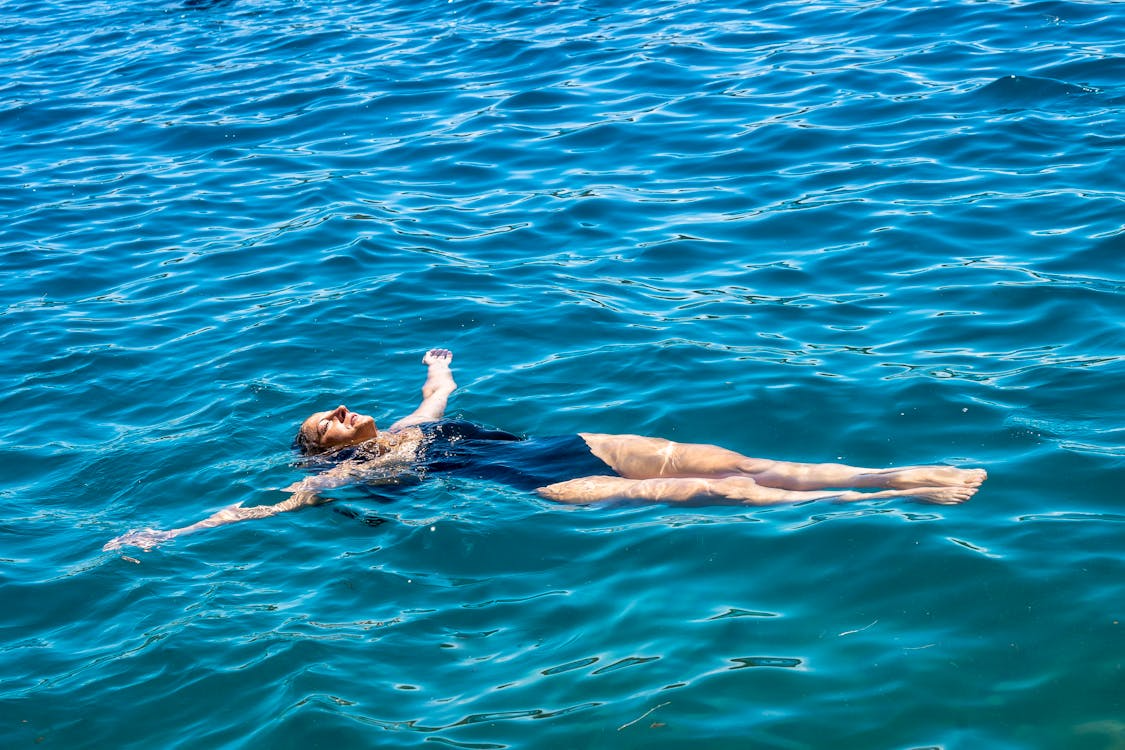
The ocean is not turning people into corks, but the change is enough to matter. You may notice your legs sink less or your body settles higher in the water.
For beginners, this can create confidence. For experienced swimmers, it can subtly change body position and effort.
Small physical differences often feel larger when your whole body experiences them at once.
Learn Why Water Pressure Can Crush You for another everyday water science lesson.
The Dead Sea Example
The most famous floating example is the Dead Sea, where salinity is extremely high. People can recline on the surface with remarkable ease compared with ordinary seawater.
That dramatic effect is simply the same principle taken much farther. More dissolved salts create much denser water.
It is an extreme version of what the ocean already demonstrates.
Body Composition Matters Too
Not everyone floats the same way. Human bodies vary in lung volume, body fat percentage, muscle distribution, and relaxation level.
Air in the lungs increases buoyancy, which is why a deep breath often helps with floating. Tension can work against good body position.
So salt water helps, but personal factors still matter.
Why Pools Can Feel Different
Freshwater pools usually have a lower density than seawater, so they provide slightly less buoyant support. Technique may matter more there.
Temperature and movement also influence comfort. Calm, warm water often feels easier than cold, rough water, even if salinity is higher elsewhere.
The environment shapes perception as much as the equation does.
Explore Pool vs Ocean: Which Is Better for Exercise? for more swim-setting comparisons.
Practical Benefits for Swimmers
Easier floating can reduce fear for nervous swimmers and make rest positions more accessible in open water.
It can also assist activities like snorkeling, where relaxed surface floating is part of the experience.
That said, easier floating does not remove ocean risks such as currents, waves, or fatigue.
See The Best Snorkeling Spots for Beginners for calm places to practice floating.
A Simple Physics Lesson in Real Life
Salt water offers a great reminder that invisible changes in matter can produce visible results.
You do not need a lab to observe density or buoyancy. A beach day can teach the concept directly.
That blend of science and experience is why the lesson sticks.
You float better in salt water because denser water pushes back harder. It is a small change in chemistry that creates a surprisingly clear difference the moment you lean back and let the water hold you.