Rip currents can be powerful enough to carry even strong swimmers away from the beach, yet understanding how they work makes them far less mysterious and far more survivable.
A rip current is a fast, narrow channel of water moving away from shore, often forming in the surf zone.
Rip currents are one of the most misunderstood beach hazards. Many people imagine them as giant waves pulling swimmers straight underwater, but that is not what they are.
How Rip Currents Form
Waves constantly push water toward shore. That water must return seaward somehow. Often it flows back in a broad, gentle pattern, but sometimes it concentrates into a narrower path.
When sandbars, gaps in bars, piers, jetties, or shoreline features shape the channel, a rip current can form. The concentrated flow moves faster than the surrounding water.
In simple terms, waves pile water up near shore, and the ocean looks for the easiest way back out.
Read How Waves Actually Form for context on surf movement.
Why They Can Be So Strong
A rip current does not need to be huge to be dangerous. Even moderate flow can overwhelm swimmers who try to fight it directly.
Panic makes the problem worse. People often waste energy trying to swim straight back to the beach against the current’s strongest flow.
Fatigue, fear, and nearby breaking waves can quickly turn a manageable situation into an emergency.
What They Look Like
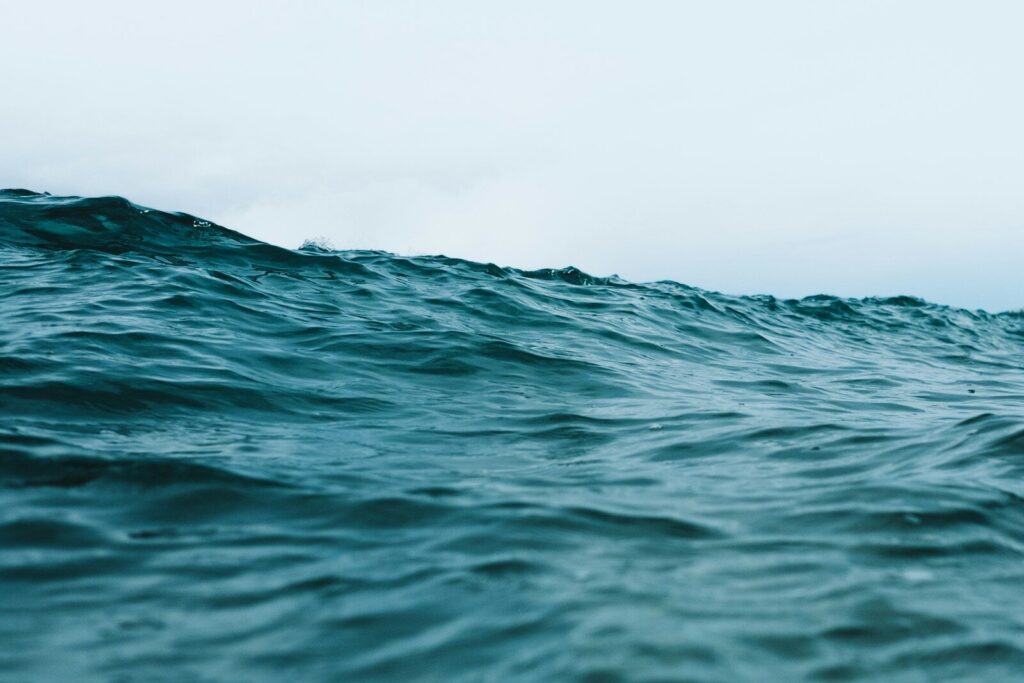
Rip currents are not always obvious, but they often create visual clues. You may see a darker gap in breaking waves, a channel of choppy water, foam moving steadily seaward, or an area where waves are not breaking normally.
The surface may look calmer than the surrounding surf, which can trick people into entering the wrong spot.
Learning to read the water before you swim is one of the best safety skills at any beach.
Explore Common Beach Mistakes People Always Make before entering unfamiliar water.
They Do Not Pull You Under
This is the most common myth. Rip currents pull away from shore, not downward to the bottom.
Waves can push people underwater temporarily, but a rip current is mainly a horizontal movement.
That distinction matters because it changes the correct response from fear to strategy.
How to Escape Safely
NOAA explains that if you are caught in a rip current, you should swim out of the current along the beach instead of fighting straight back toward shore. Float or tread water if needed.
Then swim parallel to the shoreline until you move out of the narrow fast-moving channel. Once free of the current, angle back toward shore.
If you cannot swim out, keep floating, wave for help, and let the current weaken farther out while attracting attention.
Why Lifeguards Matter
Guarded beaches save lives because trained professionals recognize conditions many visitors miss.
They know where currents are forming, where safer swim zones exist, and when surf has become too risky.
Swimming near lifeguards is one of the easiest ways to reduce danger without reducing fun.
Conditions That Increase Risk
Strong surf, changing tides, storms, and shifting sandbars can all increase the likelihood of rip currents. A beach that felt easy yesterday may be different today.
Structures like piers and jetties can also create or intensify currents nearby.
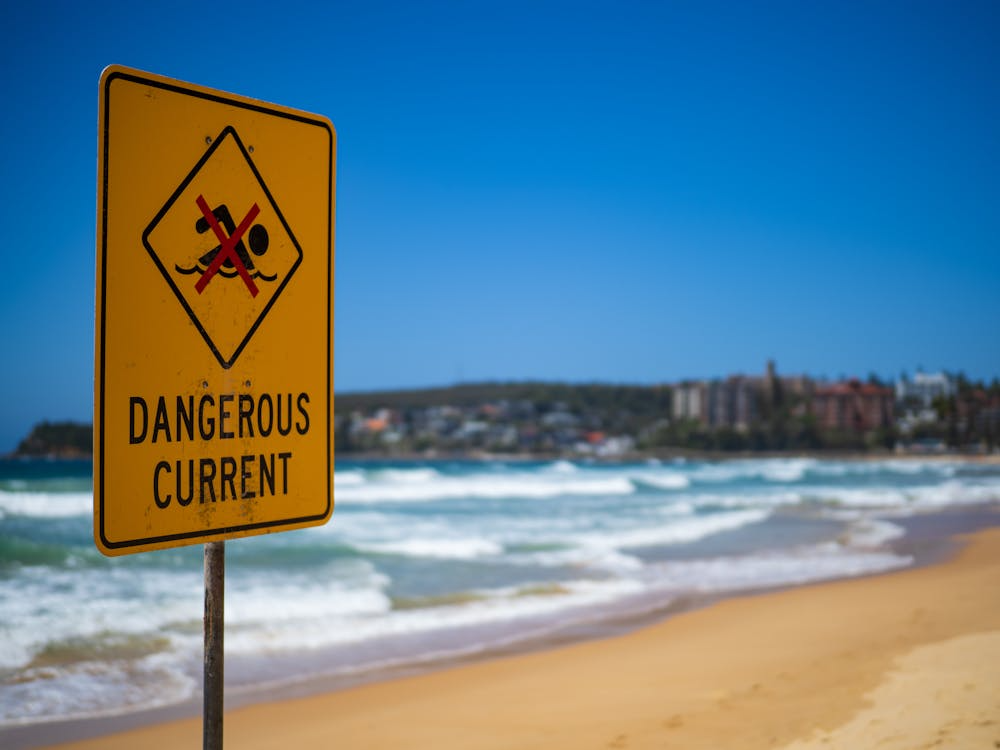
Always check flags, posted warnings, and local guidance before entering the water.
See How to Stay Safe While Swimming Alone for open-water safety reminders.
Respect, Not Fear
Rip currents deserve respect, but they should not create unnecessary fear of the ocean.
Millions of people enjoy beaches safely every year by learning conditions, choosing smart swim spots, and responding correctly when problems arise.
Knowledge changes risk dramatically.
The science behind rip currents is simple: water pushed in by waves must find a way out. Knowing that one fact can help turn panic into action and danger into a situation you can navigate.
Learn The Truth About Drinking Ocean Water for another beach safety lesson.