Tropical bays, mountain lakes, rivers, and oceans can all look dramatically different. The color of water is not random; it is science made visible. Visions of delete
Water can look deep blue one day, emerald green the next, and nearly clear in a different setting altogether. Many people assume the color comes from the water alone, but what you see is usually a mix of light, depth, particles, algae, minerals, weather, and what lies beneath the surface.
Why Water Often Looks Blue
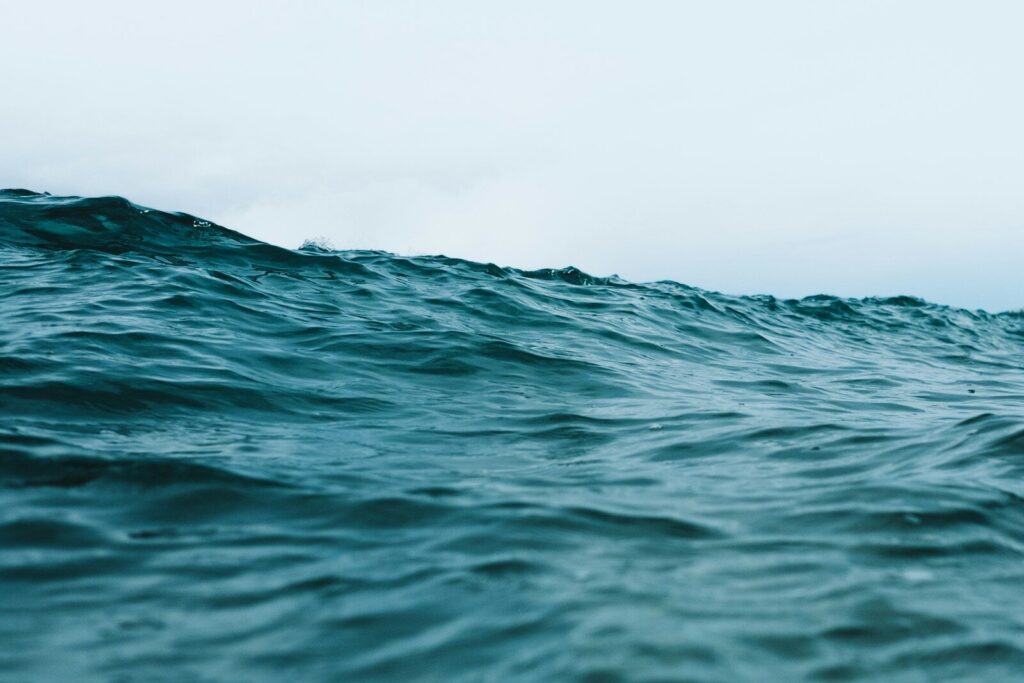
Pure water absorbs colors of light unevenly. Red, orange, and yellow wavelengths are absorbed more quickly, while blue wavelengths penetrate and scatter back toward your eyes more effectively.
In large, clean bodies of water, that effect becomes easier to notice. The deeper and clearer the water, the more blue it may appear under the right lighting.
That is one reason open ocean scenes and deep alpine lakes can look richly blue.
Read The Clearest Waters You Can Swim In Around the World for vivid blue-water examples.
Why Water Looks Green
Green water often contains microscopic plant life such as algae or phytoplankton. These organisms contain pigments that interact with sunlight, shifting the visible color toward green.
Suspended particles and sediment can also influence the tone. In some rivers and coastal areas, fine particles in the water alter how light is scattered and reflected.
Green does not automatically mean dirty water. It often means the ecosystem or mineral content is different.
The Role of Depth and Bottom Color
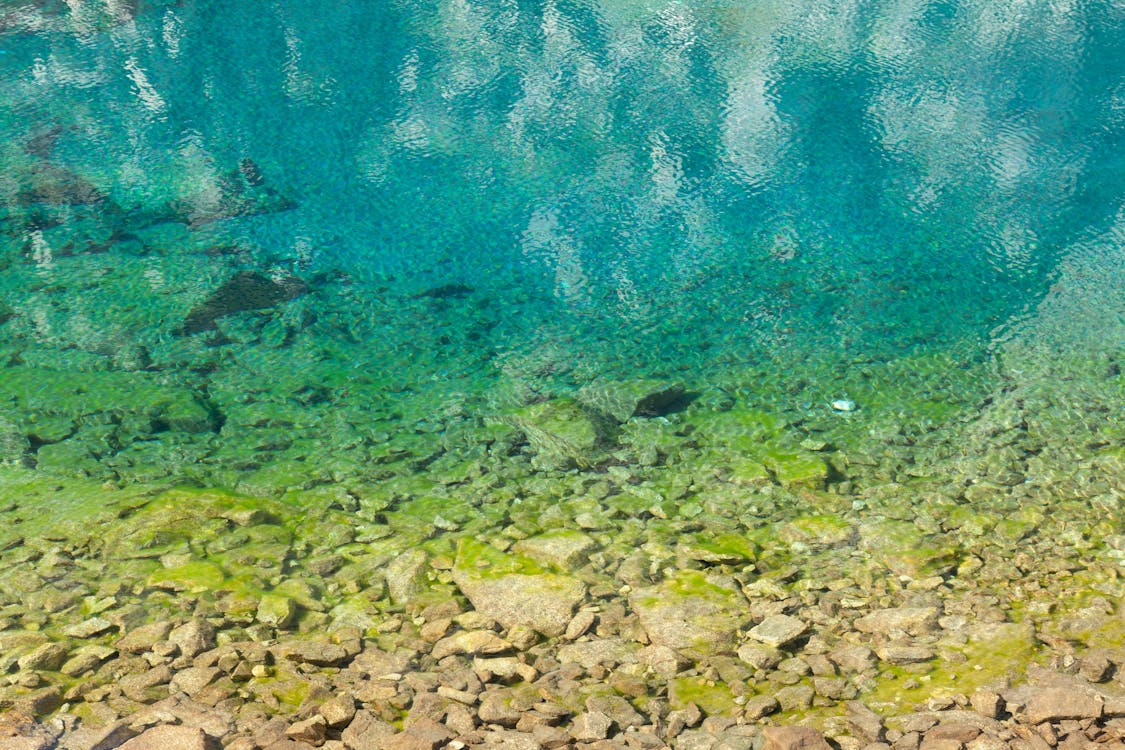
Shallow water can reflect what lies beneath it. White sand often makes water look bright turquoise or pale blue because sunlight bounces upward through the clear shallows.
Dark rock, sea grass, or muddy bottoms can create deeper green, brown, or shadowed tones. The water itself may be similar, but the background changes the final appearance.
This is why nearby coves can look completely different from one another.
Learn Why Bioluminescence Happens in Water for another visible water science lesson.
Weather and Sky Matter Too
Water is highly responsive to changing light. Cloud cover, sunrise, sunset, and the angle of the sun all affect what colors you perceive.
Calm water may reflect the sky more strongly, while choppy water breaks reflections into many surfaces.
That means the same lake can appear steel gray in the morning, blue at noon, and green by evening, depending on conditions.
Why Tropical Water Looks So Bright
Many tropical destinations combine several color advantages at once: clear water, shallow depth, bright sunlight, and pale sandy bottoms.
When these factors align, the result can be the vivid turquoise people associate with postcards and resort advertising.
It is not artificial, just ideal optics working together.
Explore Secret Island Destinations You’ve Never Heard Of for more turquoise-water travel ideas.
Can Water Color Signal Problems?
Sometimes yes. Sudden discoloration, unusual foam, strong odor, or dense algae blooms can indicate pollution or unsafe conditions.
However, natural green or brown tones are common in many healthy environments. Context matters more than color alone.
If you plan to swim, rely on local advisories and official updates rather than assumptions based only on appearance.
See The Cleanest Water on Earth: Where Does It Come From? for more water quality context.
Why the Color Changes So Fast
Water is dynamic. Wind can stir sediment, rain can bring runoff, currents can move algae, and sunlight changes throughout the day.
Because multiple factors interact simultaneously, color can shift quickly, even without a major environmental event.
That constant change is part of what makes water visually fascinating.
The next time you see blue ocean, green lake water, or glowing turquoise shallows, you are seeing physics, biology, geology, and weather all working together in real time. Few everyday sights combine science and beauty so effortlessly.